

The rules of international commerce are being rewritten as you read this. Tariff structures that dominated for decades are crumbling. Supply chains that seemed permanent are being rerouted. Digital platforms are replacing traditional trade intermediaries at speeds that catch even seasoned analysts off guard.
Global trade trends 2026 reveal a fundamental restructuring of commercial relationships worldwide. Regional trade blocs are gaining strength while traditional alliances shift. Digital infrastructure now determines competitive advantage more than physical ports. Climate regulations are forcing supply chain redesigns. Emerging economies are claiming larger shares of manufacturing and services. These changes demand immediate strategic adjustments from businesses operating across borders.
Regional trade agreements are redrawing the map
The architecture of international commerce looks dramatically different than it did five years ago.
Regional blocs have gained unprecedented influence. The Comprehensive and Progressive Agreement for Trans-Pacific Partnership now accounts for nearly 15% of global GDP. African Continental Free Trade Area membership has expanded to 54 countries, creating a market of 1.3 billion people. These aren’t just policy documents. They’re active frameworks reshaping where goods move and how services get delivered.
Trade between bloc members is growing at rates three times faster than traditional bilateral relationships. Companies that positioned themselves inside these frameworks early are seeing cost advantages their competitors can’t match.
The shift creates winners and losers overnight. A textile manufacturer in Vietnam suddenly has preferential access to markets that were previously cost-prohibitive. A logistics company in Singapore finds its traditional routes bypassed by new corridors. Strategic location matters more than ever, but the definition of strategic has changed.
Tariff structures within these blocs are becoming increasingly sophisticated. Simple percentage reductions have given way to complex frameworks that favor specific industries, sustainability practices, and local content requirements. Understanding these nuances separates profitable operations from struggling ones.
Digital trade infrastructure is the new competitive advantage
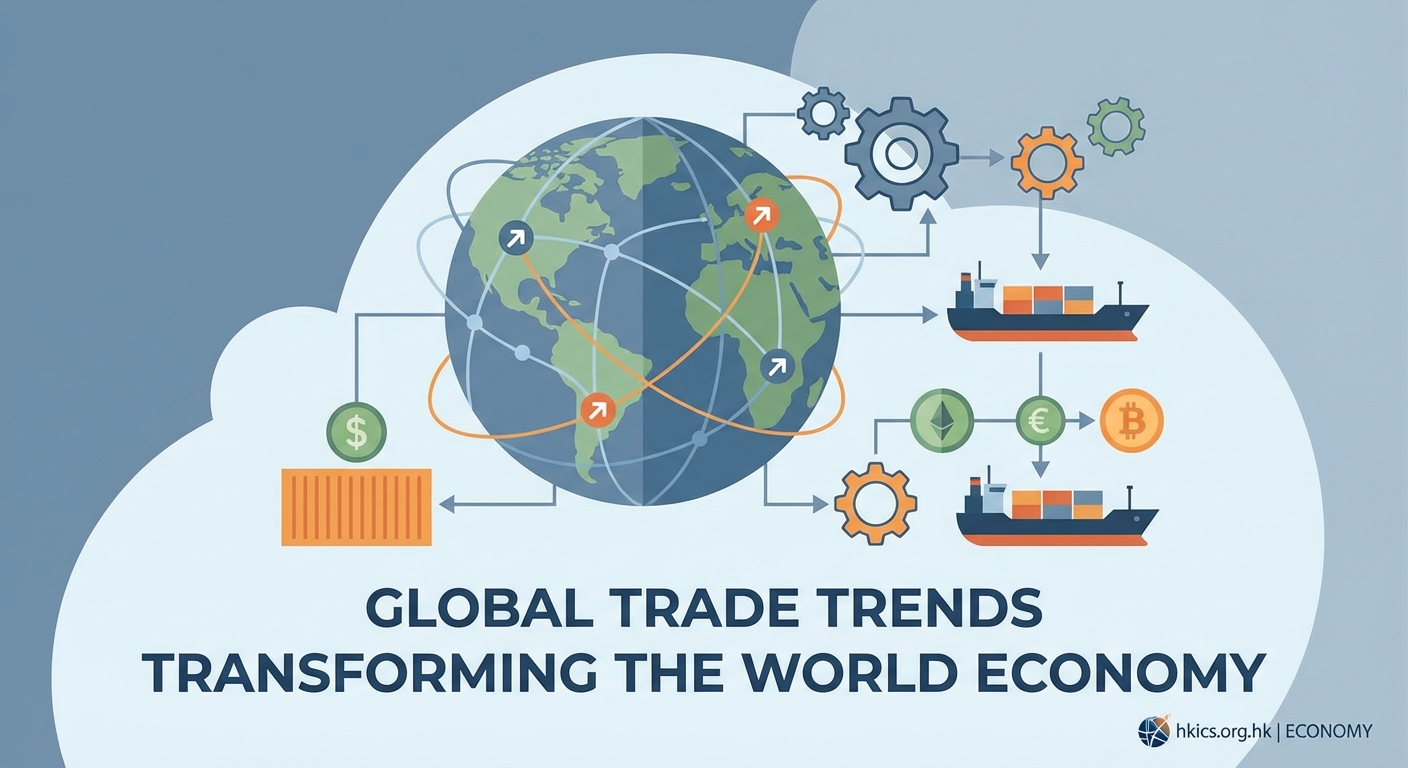
Physical ports mattered most in the 20th century. Digital infrastructure determines success in 2026.
Countries investing heavily in digital trade platforms are capturing disproportionate shares of cross-border commerce. South Korea’s blockchain-based customs clearance system processes shipments 60% faster than traditional methods. Estonia’s digital trade documentation eliminates paperwork delays that cost businesses billions annually.
The gap between digital leaders and laggards is widening rapidly. Companies operating in markets with advanced digital infrastructure enjoy advantages that compound over time:
- Real-time customs clearance reduces inventory holding costs
- Automated compliance checking eliminates costly violations
- Digital certificates of origin prevent shipment delays
- Integrated payment systems reduce transaction friction
- Transparent tracking builds customer confidence
Businesses can’t wait for governments to build this infrastructure. Forward-thinking companies are creating their own digital ecosystems, partnering with technology providers to build capabilities that bypass traditional bottlenecks.
The most significant development is the rise of digital trade corridors connecting specific economic zones. These aren’t general improvements to national systems. They’re purpose-built digital highways linking manufacturing centers directly to consumer markets, with every regulatory requirement automated and every delay point eliminated.
Supply chains are being rebuilt around climate requirements
Environmental regulations are no longer peripheral concerns. They’re central factors determining trade flows.
The European Union’s Carbon Border Adjustment Mechanism went into full effect this year. Products from high-emission sources now face substantial tariffs, regardless of their country of origin. Similar frameworks are spreading to other major economies.
This changes everything about supply chain design.
| Traditional Factor | Climate-Era Priority |
|---|---|
| Lowest labor cost | Lowest carbon footprint |
| Shortest distance | Cleanest energy sources |
| Established suppliers | Verified sustainability |
| Bulk shipping | Optimized emissions per unit |
| Just-in-time delivery | Carbon-efficient logistics |
Manufacturers are relocating production to regions with abundant renewable energy. Morocco is becoming a manufacturing hub because of its solar capacity. Iceland attracts data centers and energy-intensive industries because of geothermal power. Chile’s green hydrogen production is reshaping where certain industrial processes locate.
The transition creates opportunities for companies that move early. A beverage company that switched to suppliers using renewable energy last year now enjoys a 12% cost advantage over competitors facing carbon tariffs. An electronics manufacturer that redesigned its logistics network around rail transport instead of air freight is seeing both cost savings and preferential access to sustainability-focused retailers.
Climate requirements are also changing what gets traded. Carbon credits have become a significant export category. Renewable energy technology dominates growth in capital goods trade. Sustainable materials are replacing traditional inputs across industries.
Emerging markets are claiming manufacturing leadership
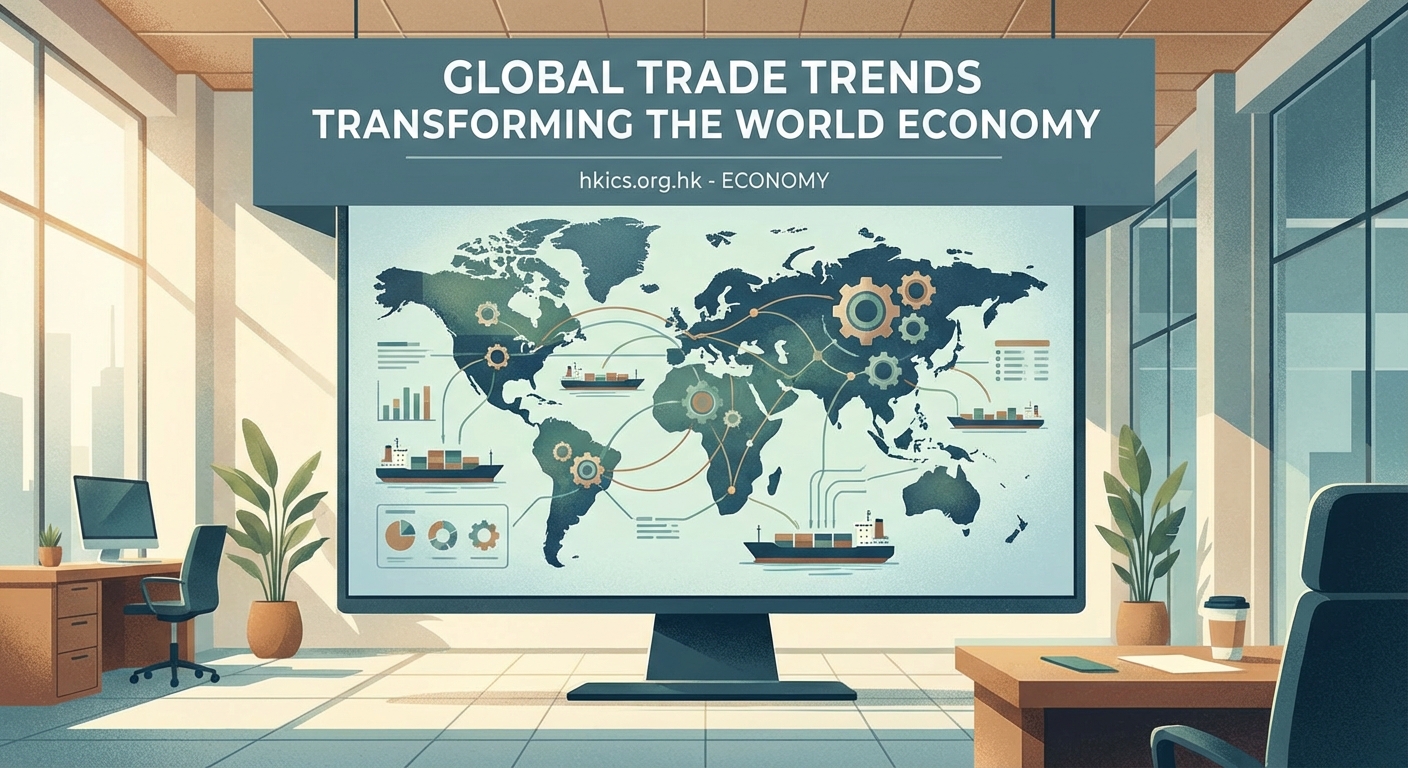
The assumption that certain countries would always dominate specific industries is collapsing.
Vietnam’s electronics exports now rival traditional leaders. India’s pharmaceutical manufacturing capacity has tripled in five years. Mexico is becoming a semiconductor production center. These aren’t marginal shifts. They represent fundamental changes in global production geography.
Several factors are driving this transition:
- Labor cost advantages persist but matter less than total ecosystem efficiency
- Government industrial policies are creating complete supply chain clusters
- Infrastructure investments are eliminating traditional disadvantages
- Technical education systems are producing skilled workforces at scale
- Proximity to growing consumer markets reduces logistics costs and response times
The speed of this transition catches many businesses unprepared. A consumer electronics company that assumed its Asian suppliers would always be cost-competitive suddenly found Mexican manufacturers offering better total costs when logistics, tariffs, and response time were factored in.
“We’re seeing production decisions that would have taken five years to implement happening in eighteen months. The companies that can evaluate new suppliers, verify quality, and shift production volumes rapidly are the ones maintaining margins. Those stuck in traditional procurement cycles are losing ground every quarter.” — Senior supply chain analyst at a multinational corporation
Emerging market manufacturers are also moving up the value chain faster than historical patterns suggested. Bangladesh isn’t just producing basic garments anymore. It’s manufacturing technical textiles for automotive and aerospace applications. Indonesia has moved from raw material exports to finished electronics. The Philippines is becoming a business process outsourcing leader for complex financial services, not just call centers.
Services trade is growing faster than goods
Physical products still dominate trade statistics, but services are where the growth is happening.
Cross-border services trade grew 8.4% last year while goods trade expanded only 2.1%. This gap is widening as digital delivery eliminates traditional barriers.
Professional services that once required physical presence are now delivered remotely. Legal research, accounting, engineering design, and medical diagnostics flow across borders as easily as emails. A law firm in London uses legal researchers in Kenya. An architecture firm in New York employs designers in Colombia. A hospital in Germany gets radiology reports from specialists in India.
The regulatory frameworks haven’t caught up with the reality. Different countries classify the same digital service in contradictory ways for tax and regulatory purposes. This creates both compliance headaches and strategic opportunities for businesses that understand the gaps.
Financial services are being transformed by digital platforms that bypass traditional banking infrastructure. Mobile payment systems in Kenya process more transactions than many European banking systems. Cryptocurrency platforms enable cross-border transfers that traditional systems can’t match for speed or cost.
Education services represent one of the fastest-growing trade categories. Online degree programs, professional certifications, and corporate training cross borders without friction. Universities in Australia and the United Kingdom generate billions from students who never set foot on campus.
Geopolitical tensions are fragmenting trade networks
The assumption of ever-increasing global integration is dead.
Strategic competition between major powers is creating parallel trade systems. Technology sectors are splitting into incompatible ecosystems. Financial infrastructure is developing redundant networks. Supply chains are being duplicated to reduce dependency risks.
This fragmentation increases costs but businesses have no choice but to adapt. Companies serving multiple markets need separate technology stacks, different supplier networks, and parallel compliance systems.
The impact varies by industry. Semiconductor manufacturers face the most severe constraints, with export controls and investment restrictions reshaping the entire sector. Pharmaceutical companies navigate increasingly divergent regulatory requirements. Technology firms manage incompatible data governance frameworks.
Some businesses are turning fragmentation into advantage. Regional specialists that focus on deep expertise in specific markets are outperforming global generalists that try to serve everyone. Companies that position themselves as neutral intermediaries between competing blocs are finding profitable niches.
The key is accepting that the unified global market of the early 2000s isn’t coming back. Strategic planning must account for a world where market access, supplier relationships, and technology choices are constrained by geopolitical considerations.
Data flows are becoming as important as shipping routes
The most valuable cargo crossing borders today isn’t physical.
Data flows enable services trade, coordinate supply chains, and create entirely new business models. Countries that facilitate data movement attract investment and economic activity. Those that restrict it fall behind.
Regulatory approaches to data vary wildly. The European Union’s strict privacy framework conflicts with data localization requirements in China and India. The United States maintains relatively open data flows but with increasing sector-specific restrictions. This patchwork creates massive compliance challenges.
Businesses are developing sophisticated strategies to navigate data governance:
- Distributed data centers that keep information within specific jurisdictions
- Anonymization techniques that allow cross-border analysis while protecting privacy
- Edge computing that processes data locally before transmitting results
- Hybrid cloud architectures that segregate data by regulatory requirement
- Blockchain systems that provide transparency without centralized data storage
The companies that master data governance gain competitive advantages that extend far beyond compliance. They can operate integrated global systems while competitors struggle with fragmented approaches. They can offer services in regulated markets that others can’t enter. They can leverage data insights that others can’t legally generate.
Trade finance is being revolutionized by new technologies
The mechanics of how international transactions get financed and settled are changing fundamentally.
Traditional letters of credit and documentary collections are being supplemented by blockchain-based systems that reduce costs and accelerate settlement. Digital trade finance platforms connect exporters directly with funders, eliminating intermediaries. Smart contracts automate payment releases when shipment conditions are verified.
These aren’t experimental projects anymore. Major banks, shipping companies, and trading firms are using these systems for billions in transactions. The International Chamber of Commerce estimates that digitization of trade finance could unlock $1.5 trillion in trade growth by reducing friction and expanding access to financing.
Small and medium enterprises benefit most from these changes. Traditional trade finance required relationships, collateral, and paperwork that excluded most smaller businesses. Digital platforms use alternative data sources to assess creditworthiness, offer more flexible terms, and process applications in hours instead of weeks.
Currency volatility is driving adoption of stablecoins and central bank digital currencies for cross-border settlement. These reduce foreign exchange costs and eliminate settlement delays. Several central banks now offer digital currency accounts specifically designed for trade finance.
Your strategy needs updating now
Understanding these trends matters only if you act on them.
The businesses thriving in 2026 didn’t wait for perfect information. They made strategic bets based on directional clarity, tested approaches in limited markets, and scaled what worked. They built relationships in emerging trade blocs before competitors recognized the opportunity. They invested in digital infrastructure when others were still debating the business case. They redesigned supply chains around climate requirements ahead of regulatory mandates.
The window for easy adaptation is closing. First-mover advantages in new trade corridors are already being claimed. Digital infrastructure investments take time to implement. Supply chain redesigns require supplier development and quality verification. Regulatory compliance systems need testing and refinement.
Start with honest assessment of where your current operations are vulnerable to these shifts. Which markets are you serving through frameworks that are becoming obsolete? Where are competitors gaining advantages through better digital infrastructure? How exposed are you to climate-related trade restrictions? What emerging markets could serve your needs better than current suppliers?
Then make concrete moves. Join a regional trade bloc or partner with members who have access. Implement digital trade documentation for at least one major trade lane. Audit your supply chain’s carbon footprint and identify high-impact reduction opportunities. Test suppliers in emerging markets for non-critical components. Develop data governance capabilities that enable compliant operations across jurisdictions.
The global trade landscape of 2026 rewards businesses that treat these trends as immediate strategic priorities, not distant possibilities to monitor. Your competitors are already making their moves. The question is whether you’ll lead the changes in your industry or scramble to catch up.