

You need a company in Hong Kong, and you need it now. Your business opportunity won’t wait six weeks for standard incorporation paperwork to clear. That’s where shelf companies enter the picture.
Hong Kong shelf companies are pre-registered entities available for immediate purchase, offering entrepreneurs instant market entry without the typical incorporation wait. While they provide speed and credibility through establishment dates, buyers must carefully verify clean histories, understand transfer procedures, and weigh costs against benefits. These ready-made companies suit time-sensitive ventures but require thorough due diligence to avoid inheriting hidden liabilities or compliance issues.
What Makes a Company “Shelf Ready”
A shelf company is a business entity that was incorporated but never used for trading. Corporate service providers create these companies and keep them registered and compliant. They sit on the metaphorical shelf, waiting for someone to buy them.
The company has a registration number. It has a certificate of incorporation. It exists legally but has no business history.
Think of it like buying a car that’s been sitting in a showroom. The engine has never been started. The odometer reads zero. But it’s ready to drive off the lot the moment you sign the papers.
In Hong Kong, these entities follow the same legal framework as any other company. The Companies Ordinance doesn’t distinguish between a newly incorporated business and one purchased from inventory. Both have identical legal standing.
Why Entrepreneurs Consider Pre-Registered Entities
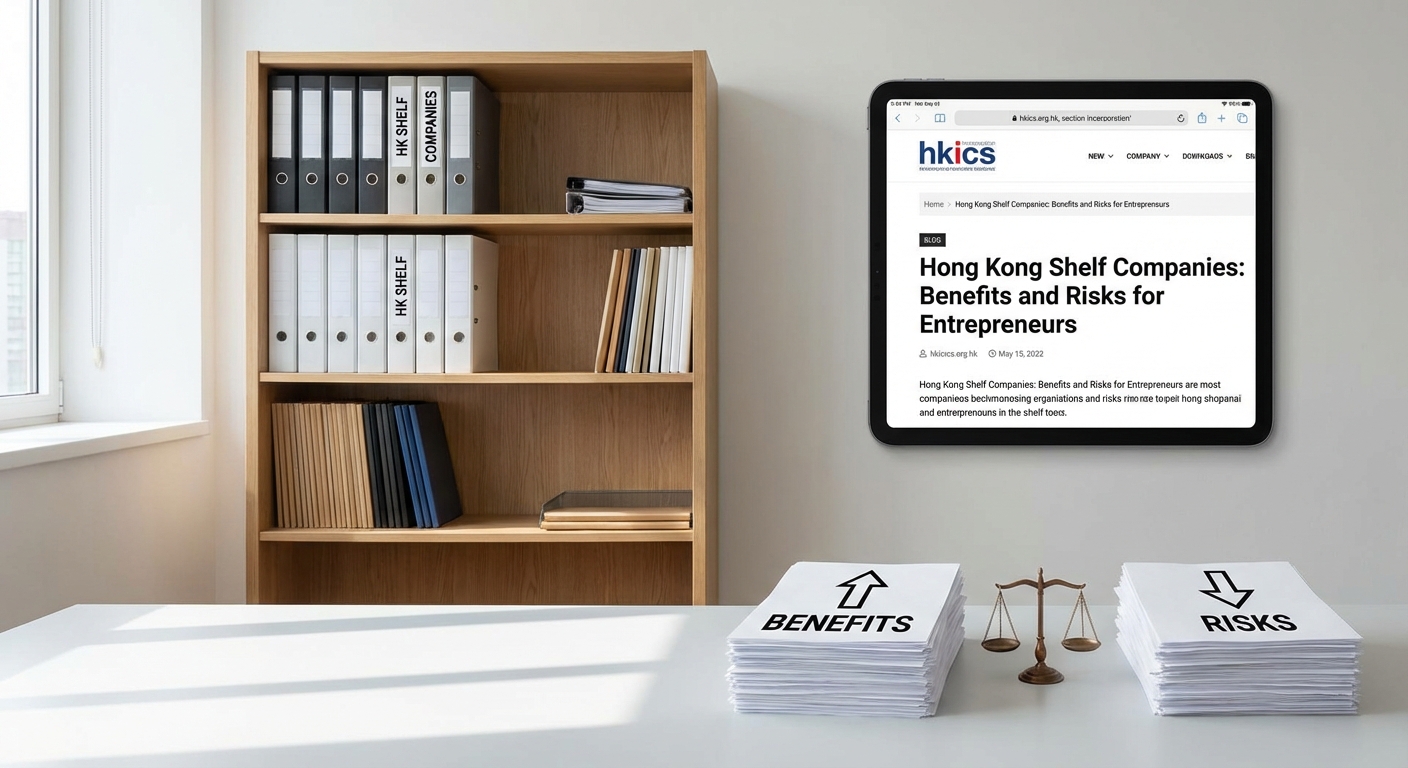
Time matters in business. A contract opportunity might require an established local entity by next week. A partnership agreement could demand immediate corporate presence. Standard incorporation takes two to three weeks under normal conditions.
Shelf companies solve the timing problem. Transfer can happen within days, sometimes within 24 hours if all paperwork is ready.
Here are the main reasons buyers choose this route:
- Immediate business operations without incorporation delays
- Established incorporation date that suggests longevity
- Ability to bid on contracts requiring company age minimums
- Faster bank account opening with an existing entity
- Reduced administrative burden during launch phase
The incorporation date carries weight in certain situations. Some government tenders specify that bidding companies must be at least one or two years old. A shelf company incorporated 18 months ago meets that requirement instantly.
Banks sometimes view older companies more favorably during account application reviews. The perception of stability can smooth approval processes.
The Transfer Process Step by Step
Buying a shelf company involves more than just handing over payment. The legal transfer requires several documents and filings with the Companies Registry.
- Select a company from the provider’s available inventory and verify its clean status through registry searches.
- Sign a sale and purchase agreement outlining terms, price, and transfer responsibilities between parties.
- Complete statutory forms including director resignations, new director appointments, and shareholder transfers as required by law.
- File all necessary documents with the Companies Registry to officially record ownership and management changes.
- Update the company’s registered office address, business scope, and other details to reflect your actual operations.
- Obtain new business registration certificates, update banking authorities, and notify relevant government departments of changes.
The company secretary typically handles most paperwork. They ensure compliance with filing requirements and deadlines.
You’ll need to provide identification documents, proof of address, and details about your intended business activities. Anti-money laundering regulations require thorough know-your-customer checks.
Real Advantages That Matter
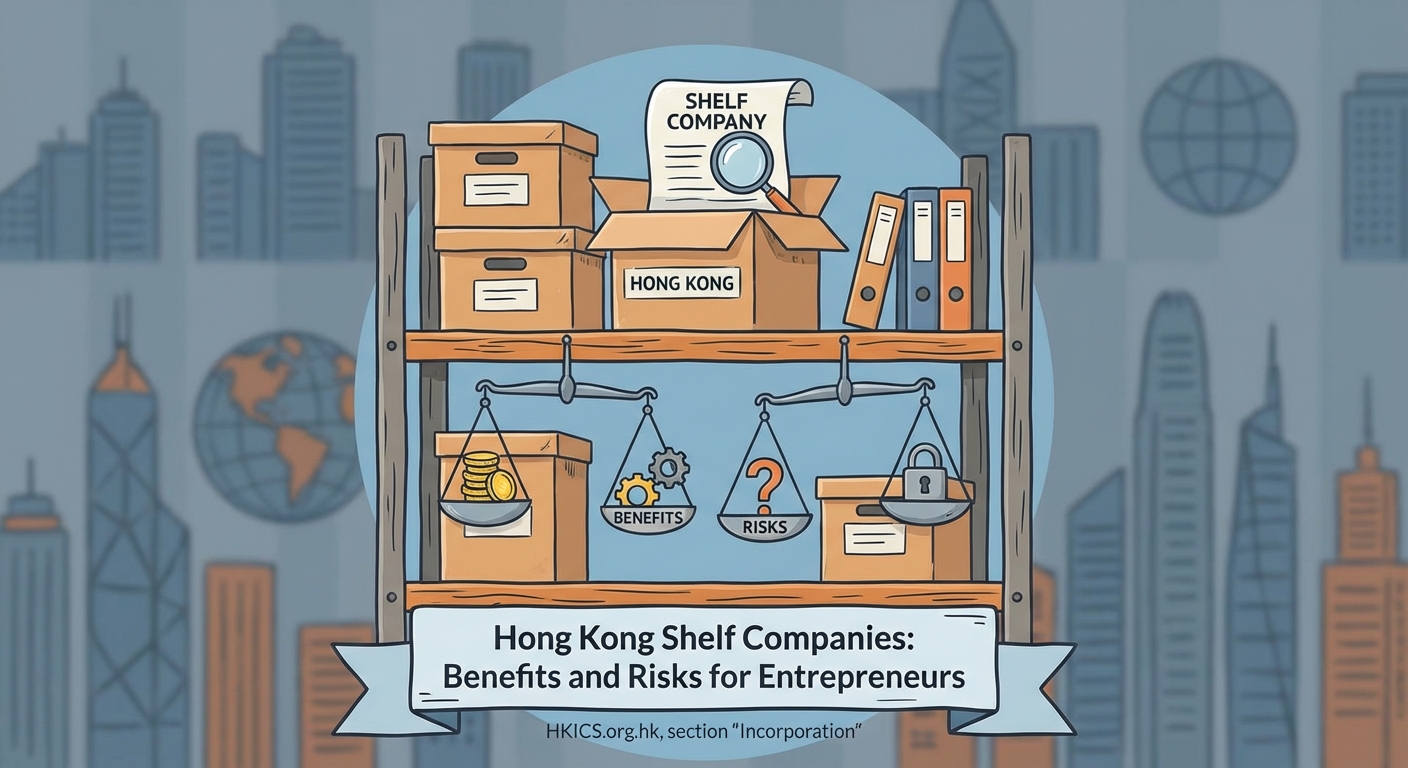
Speed is the obvious benefit, but it’s not the only one. Pre-registered entities offer several practical advantages that standard incorporation cannot match.
The company already exists in government databases. This means certain administrative processes move faster. You’re updating records rather than creating them from scratch.
Name availability is guaranteed. You won’t discover after weeks of waiting that your preferred company name was taken by someone else. The shelf company already has an approved name, which you can change after purchase if desired.
The corporate structure is already established. Articles of association are filed. The share structure exists. You’re stepping into a functioning legal framework rather than building one from scratch.
For businesses targeting specific contracts or opportunities with age requirements, shelf companies provide the only realistic path forward. You cannot retroactively age a newly incorporated entity.
Risks You Cannot Ignore
Every business decision carries risk. Shelf companies introduce specific concerns that require careful attention.
You’re buying a company with a history, even if that history is supposedly dormant. Previous owners or directors might have created liabilities you don’t know about. Unpaid debts could surface. Regulatory violations might exist.
Due diligence becomes critical. You need to verify that the company has never traded, never entered contracts, and carries no hidden obligations.
| Risk Category | What Could Go Wrong | Protection Strategy |
|---|---|---|
| Hidden liabilities | Undisclosed debts or legal claims | Full company search and indemnity clauses |
| Compliance gaps | Missed annual filings or tax returns | Verify registry status and filing history |
| Reputation issues | Previous directors with poor records | Background checks on all former officers |
| Name limitations | Existing name doesn’t fit your brand | Budget for name change costs and timing |
| Banking challenges | Banks scrutinizing shelf company purchases | Prepare detailed business plans and documentation |
Some banks view shelf companies with suspicion. They associate them with potential money laundering or fraud schemes. You may face additional scrutiny during account opening.
The cost exceeds standard incorporation fees. Providers charge premiums for the convenience and the years of shelf aging. Expect to pay several times more than a fresh incorporation would cost.
What the Registry Actually Shows
Hong Kong’s Companies Registry maintains public records for all registered entities. Anyone can search these records and see key information about any company.
The registry shows the incorporation date, current directors, company secretary, registered address, and filing history. It displays whether annual returns are current and if any charges or mortgages are registered against the company.
When you buy a shelf company, this history becomes visible to anyone who searches. They’ll see the change of directors and shareholders. They’ll notice the sudden shift from dormancy to active status.
Before purchasing any shelf company, obtain a full company search from the Companies Registry. Review every filed document. Check that annual returns are current. Verify that no charges or legal actions are registered. This search costs a small amount but protects against significant problems.
Transparency works both ways. While you can see the company’s history, your competitors and partners can too. Some business cultures view shelf company purchases negatively, associating them with corner-cutting or questionable practices.
Comparing Costs and Timelines
Understanding the true cost requires looking beyond the purchase price. Several fees and expenses add up throughout the process.
Standard incorporation in Hong Kong costs around HKD 1,500 to HKD 3,000 including government fees and basic company secretary services. The process takes 10 to 15 business days under normal conditions.
Shelf companies typically cost HKD 5,000 to HKD 15,000 depending on age and other factors. Companies aged two or three years command premium prices. Transfer completes in three to five business days.
Additional costs include:
- Name change filing if you want different branding (HKD 150 to HKD 300)
- Business registration certificate updates (HKD 250 annually)
- Company secretary fees for transfer administration (HKD 2,000 to HKD 5,000)
- Legal review of company history and documents (HKD 3,000 to HKD 8,000)
- Bank account opening assistance after transfer (HKD 1,000 to HKD 3,000)
The time savings might justify the cost premium if your business opportunity is genuinely time-sensitive. Missing a contract deadline could cost far more than the shelf company premium.
But if you have flexibility in your timeline, standard incorporation offers better value. You get a clean entity with no history, lower costs, and complete control over the initial setup.
When Shelf Companies Make Sense
Not every entrepreneur needs a shelf company. The decision depends on your specific circumstances and business requirements.
Shelf companies make sense when you face genuine time constraints. A partnership opportunity requiring immediate corporate presence. A tender with a submission deadline next week. A licensing requirement demanding an established entity.
They work well when contract requirements specify company age minimums. Some government procurement processes or industry certifications require businesses to be operational for specific periods.
International entrepreneurs sometimes prefer shelf companies when navigating unfamiliar regulatory environments. The pre-established structure reduces complexity during initial market entry.
They’re less suitable when you have adequate time for standard incorporation. The cost premium doesn’t make sense if you’re planning three months ahead.
Avoid shelf companies if your industry involves heavy regulatory scrutiny. Financial services, legal practices, and medical businesses often face additional questions about company history and ownership changes.
Due Diligence Checklist
Before committing to any shelf company purchase, work through these verification steps. Missing even one item could lead to problems later.
Request a complete company search from the Companies Registry. Review all filed documents including the incorporation papers, annual returns, and any resolutions.
Verify that the company has never traded. Check that no bank accounts were opened, no contracts signed, and no business activities conducted. The company should be genuinely dormant.
Confirm that all annual returns and government filings are current. Late filings create compliance issues you’ll inherit. Check that business registration certificates are valid.
Examine the history of directors and shareholders. Search for any individuals with problematic backgrounds or connections to questionable businesses.
Request written warranties and indemnities from the seller. These legal protections should cover any undisclosed liabilities, claims, or obligations that surface after purchase.
Get independent legal advice before signing purchase agreements. A lawyer experienced in Hong Kong corporate law can spot potential issues in the documentation.
Alternative Approaches Worth Considering
Shelf companies aren’t the only solution to timing challenges. Several alternatives might better suit your situation.
Expedited incorporation services can reduce standard timelines. Some corporate service providers offer priority processing that completes incorporation in five to seven business days. This costs more than standard service but less than shelf company premiums.
Partnering with an existing Hong Kong entity might solve immediate needs. Joint ventures or partnership structures allow you to operate through an established company while building your own entity in parallel.
Using a nominee structure during incorporation can speed certain processes. Professional nominee directors and shareholders can be appointed temporarily while your documentation is processed, then replaced once everything is finalized.
Branch registration might work if you already operate a company in another jurisdiction. Registering a Hong Kong branch of your existing business takes less time than full incorporation and costs less than shelf companies.
Making Your Decision
The shelf company question comes down to weighing time against cost and risk. Only you can determine whether the speed justifies the premium and potential complications.
Start by honestly assessing your timeline. Do you truly need a company operational within days, or is that perceived urgency? Many entrepreneurs overestimate time pressure and underestimate the value of doing things properly.
Calculate the real cost difference. Include all fees, not just the purchase price. Compare that total against the value of the opportunity you’re pursuing.
Evaluate your risk tolerance. Are you comfortable inheriting a company with history, even if that history appears clean? Can you handle additional banking scrutiny and due diligence requirements?
Consider your long-term plans. Will the shelf company’s history matter to future partners, investors, or customers? Some stakeholders care about company origins more than others.
Research your industry’s norms. In some sectors, shelf companies are common and accepted. In others, they raise eyebrows and questions.
Getting Started on Solid Ground
Hong Kong shelf companies offer a legitimate path to faster market entry, but they’re not right for everyone. The benefits are real for entrepreneurs facing genuine time constraints or specific age requirements. The risks are equally real and require careful management.
Success with shelf companies depends on thorough due diligence, working with reputable providers, and understanding exactly what you’re buying. Don’t rush the verification process just because you’re buying a company designed to save time. That irony could cost you dearly.
If you decide a shelf company fits your needs, invest in proper legal and financial advice. The small upfront cost of professional guidance prevents much larger problems down the road. And if standard incorporation works for your timeline, that cleaner path often proves simpler in the long run.