

Supply chain disruptions have become a constant reality for businesses worldwide. From port congestion to supplier failures, these challenges demand immediate attention and strategic thinking. The good news? Companies that build resilience into their operations can turn potential crises into competitive advantages.
Managing supply chain disruptions requires a multi-layered approach combining real-time visibility, supplier diversification, inventory optimization, and contingency planning. Organizations that implement proactive risk assessment frameworks, maintain strong supplier relationships, and leverage technology for predictive analytics can significantly reduce operational impact. Success depends on building flexibility into procurement strategies while maintaining cost efficiency and service levels across the entire supply network.
Understanding the root causes of disruptions
Supply chain breakdowns rarely happen without warning signs. Natural disasters, geopolitical tensions, labor shortages, and raw material scarcities all contribute to operational challenges. The pandemic exposed vulnerabilities that many organizations didn’t know existed.
Transportation bottlenecks create cascading effects throughout the supply network. A single delayed shipment can halt production lines, disappoint customers, and damage brand reputation. Financial impacts extend beyond immediate losses to include expedited shipping costs, overtime wages, and lost sales opportunities.
Demand volatility adds another layer of complexity. Consumer behavior shifts rapidly, making accurate forecasting difficult. Companies struggle to balance inventory levels without overcommitting resources or risking stockouts.
Supplier concentration poses significant risks. Organizations relying heavily on single sources face severe consequences when those partners encounter problems. Geographic clustering amplifies this vulnerability, especially in regions prone to natural disasters or political instability.
Building a resilient supply chain framework
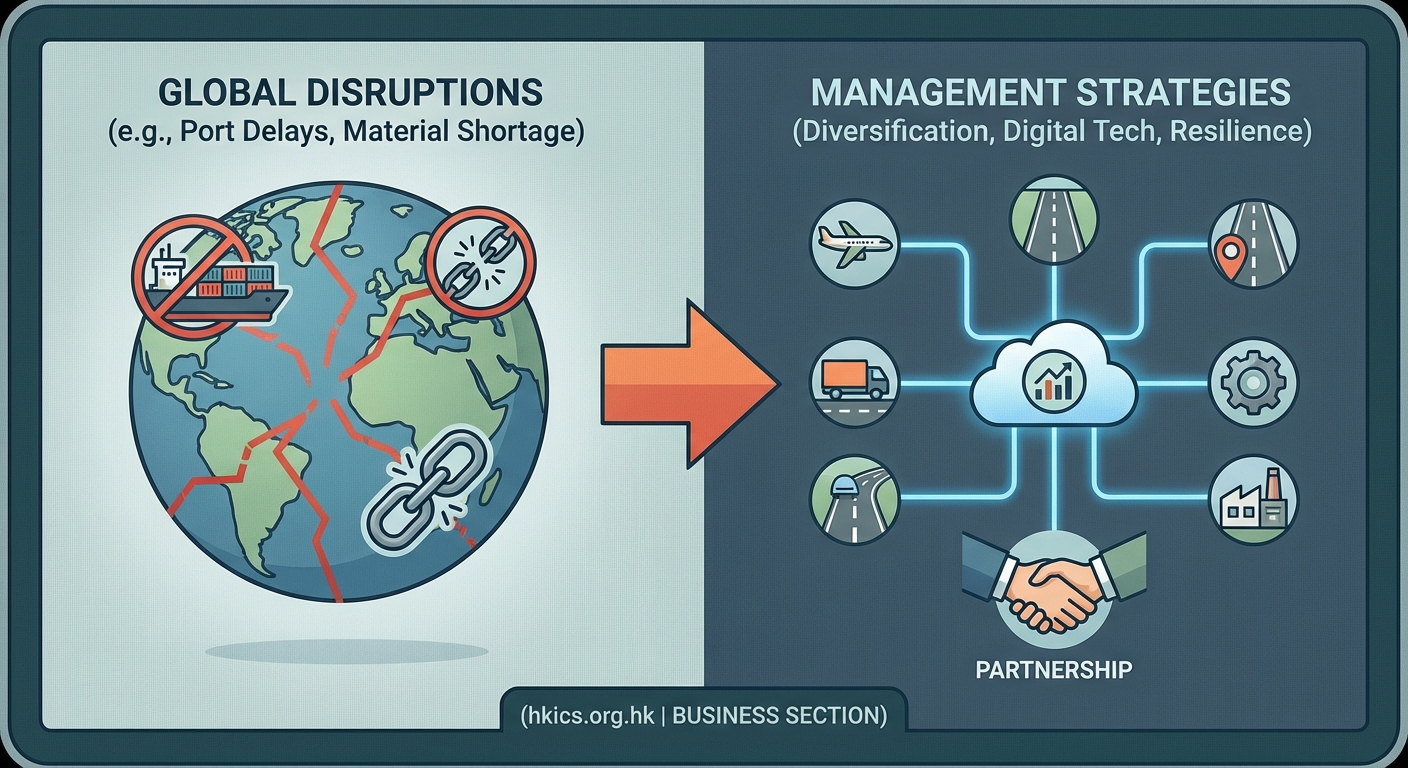
Creating operational resilience starts with comprehensive visibility. You need real-time data on inventory locations, shipment status, and supplier performance metrics. Without this information, you’re essentially operating blind.
Technology platforms enable end-to-end tracking across multiple tiers of suppliers. Cloud-based systems integrate data from various sources, providing actionable insights. These tools help identify potential disruptions before they escalate into major problems.
Risk assessment should become a continuous process rather than an annual exercise. Regular evaluations help prioritize vulnerabilities based on likelihood and potential impact. This systematic approach allows you to allocate resources where they matter most.
Scenario planning prepares teams for various disruption types. Run simulations testing your response to supplier failures, transportation delays, or demand spikes. These exercises reveal gaps in your contingency plans and improve team coordination during actual crises.
“The most successful organizations treat supply chain resilience as a strategic imperative, not an operational afterthought. They invest in redundancy, flexibility, and relationships that pay dividends when disruptions occur.”
Diversifying your supplier base strategically
Single-source dependencies create unnecessary vulnerability. Developing relationships with multiple suppliers for critical components provides options when problems arise. This strategy requires careful balance between cost efficiency and risk mitigation.
Geographic diversification reduces regional risk exposure. Sourcing from suppliers in different countries or continents protects against localized disruptions. Consider political stability, infrastructure quality, and regulatory environments when selecting locations.
Near-shoring and reshoring have gained traction as organizations reassess global supply networks. Closer suppliers offer shorter lead times, reduced transportation costs, and easier communication. The trade-offs involve potentially higher labor costs and limited production capacity.
Supplier relationship management extends beyond transactional interactions. Regular communication, joint planning sessions, and collaborative problem-solving strengthen partnerships. Strong relationships often mean preferential treatment during capacity constraints or material shortages.
Evaluate supplier financial health regularly. A partner facing bankruptcy or cash flow problems may fail to deliver regardless of your relationship quality. Credit reports, financial statements, and industry news provide early warning signals.
Optimizing inventory strategies for flexibility
Traditional just-in-time inventory models have shown limitations during widespread disruptions. Strategic buffer stocks for critical items provide breathing room during supply interruptions. The challenge lies in determining optimal safety stock levels without tying up excessive capital.
ABC analysis helps prioritize inventory investments. Category A items with high value and low volume deserve different treatment than Category C items with low value and high volume. Focus your safety stock investments on components that would halt production if unavailable.
Demand forecasting accuracy directly impacts inventory effectiveness. Combine historical data with market intelligence, economic indicators, and customer insights. Machine learning algorithms can identify patterns humans might miss.
Inventory positioning matters as much as quantity. Strategically located distribution centers reduce delivery times and transportation costs. Consider customer proximity, labor availability, and disaster risk when selecting warehouse locations.
| Strategy | Best For | Common Mistake |
|---|---|---|
| Safety stock increases | High-value, long lead time items | Applying uniformly across all SKUs |
| Supplier diversification | Critical components with single sources | Spreading too thin without volume leverage |
| Near-shoring | Items requiring frequent design changes | Ignoring total landed cost implications |
| Postponement | Products with high customization | Delaying decisions that increase overall costs |
| Vendor-managed inventory | Stable demand, trusted suppliers | Losing visibility into actual consumption |
Implementing early warning systems
Proactive monitoring helps you respond before disruptions become crises. Track leading indicators like supplier delivery performance, quality metrics, and capacity utilization rates. Declining trends signal potential problems ahead.
News monitoring services alert you to events affecting supplier regions. Natural disasters, strikes, regulatory changes, and political unrest all warrant immediate attention. Automated alerts ensure relevant information reaches decision-makers promptly.
Supplier scorecards provide objective performance measurement. Track on-time delivery, quality rejection rates, responsiveness, and innovation contributions. Regular reviews identify partners requiring additional support or potential replacement.
Financial market indicators offer clues about economic conditions affecting supply chains. Currency fluctuations, commodity prices, and freight rates all influence costs and availability. Staying informed enables proactive adjustments to purchasing strategies.
Weather forecasting has become increasingly sophisticated. Advance warning of hurricanes, floods, or severe storms allows you to reroute shipments, adjust production schedules, or expedite critical deliveries before conditions worsen.
Creating actionable contingency plans
Documented response procedures reduce confusion during disruptions. Clear protocols specify who makes decisions, how to communicate with stakeholders, and what actions to take for different scenarios. Regular updates keep plans relevant as operations evolve.
- Identify critical materials, components, and suppliers that would halt operations if unavailable.
- Develop specific action plans for each critical element, including alternative sources, substitute materials, and production adjustments.
- Assign clear roles and responsibilities to team members, ensuring everyone understands their function during disruptions.
- Test plans through tabletop exercises and simulations, refining procedures based on lessons learned.
- Establish communication protocols for internal teams, suppliers, customers, and other stakeholders.
- Create decision trees that guide rapid response based on disruption severity and duration.
Alternative sourcing arrangements provide fallback options. Maintain relationships with backup suppliers even when not actively purchasing. Small occasional orders keep you in their customer base and allow performance evaluation.
Product redesign can eliminate dependencies on scarce materials or single-source components. Engineering teams should consider supply chain risk alongside technical specifications and cost targets. Designing for availability reduces future vulnerability.
Transportation contingencies address logistics disruptions. Relationships with multiple carriers, knowledge of alternative routes, and flexibility between transportation modes all enhance resilience. Consider air freight as an emergency option despite higher costs.
Leveraging technology for better visibility
Supply chain control towers aggregate data from multiple systems into unified dashboards. Real-time visibility across procurement, production, logistics, and inventory enables faster decision-making. Cloud platforms make this technology accessible to organizations of all sizes.
Artificial intelligence and machine learning identify patterns in vast datasets. Predictive analytics forecast potential disruptions based on historical trends, current conditions, and external factors. These insights allow proactive rather than reactive management.
Blockchain technology improves traceability and transparency. Immutable records track products from raw materials through final delivery. This visibility helps verify supplier claims, ensure compliance, and respond to quality issues.
Internet of Things sensors monitor conditions throughout the supply chain. Temperature, humidity, location, and shock data protect sensitive products during transportation. Real-time alerts enable immediate intervention when parameters exceed acceptable ranges.
Digital twins create virtual replicas of physical supply chains. These simulations allow you to test changes, evaluate scenarios, and optimize operations without disrupting actual production. The technology accelerates learning and reduces implementation risks.
Strengthening communication channels
Transparent communication builds trust with all stakeholders. Keep customers informed about potential delays rather than waiting until problems become unavoidable. Proactive updates demonstrate professionalism and allow customers to adjust their own plans.
Supplier collaboration improves mutual understanding. Share forecasts, production schedules, and strategic plans with key partners. This information helps suppliers allocate capacity, plan investments, and identify potential constraints before they impact your operations.
Internal coordination ensures all departments work toward common goals. Sales, operations, procurement, and finance must align on priorities and trade-offs. Regular cross-functional meetings facilitate information sharing and collaborative problem-solving.
Industry networks provide valuable intelligence. Participate in trade associations, professional groups, and informal networks. Peers often face similar challenges and may share insights about supplier issues, market conditions, or effective strategies.
Crisis communication plans specify how to share information during disruptions. Templates for customer notifications, supplier inquiries, and internal updates save precious time when every minute counts. Designate spokespersons and establish approval processes in advance.
Measuring and improving performance
Key performance indicators track supply chain resilience. Metrics should include supply chain cycle time, perfect order rate, supplier lead time variability, and inventory turns. Regular monitoring reveals trends and highlights areas requiring attention.
- Average time to detect disruptions after they occur
- Average time to implement contingency plans once disruptions are identified
- Percentage of critical items with qualified alternative suppliers
- Inventory days of supply for strategic buffer stocks
- Supplier delivery performance and quality metrics
- Transportation on-time performance across all modes
- Cost impact of disruptions as percentage of revenue
- Customer service levels maintained during disruptions
Benchmarking against industry standards provides context for your performance. Understand where you stand relative to competitors and best-in-class organizations. Gaps indicate improvement opportunities while strengths suggest potential competitive advantages.
Root cause analysis prevents recurring problems. When disruptions occur, investigate underlying causes rather than just addressing symptoms. Corrective actions should eliminate vulnerabilities rather than simply responding to individual incidents.
Continuous improvement methodologies apply to supply chain management as effectively as production processes. Regular reviews, employee suggestions, and structured problem-solving drive incremental gains. Small improvements compound over time into significant competitive advantages.
Post-disruption reviews capture lessons learned. Gather teams shortly after resolving issues to discuss what worked well and what needs improvement. Document insights and update procedures accordingly. This organizational learning accelerates capability development.
Balancing cost and resilience
Supply chain resilience requires investment. Buffer inventory, supplier diversification, and technology platforms all increase costs. The challenge lies in justifying these expenses against uncertain future disruptions.
Total cost of ownership calculations should include disruption risk. Cheaper suppliers may cost more in the long run if their reliability causes production delays or customer dissatisfaction. Quantifying these hidden costs supports better sourcing decisions.
Insurance products can transfer some supply chain risks. Business interruption coverage, cargo insurance, and supplier default insurance protect against financial losses. Evaluate whether premiums justify the protection based on your risk profile.
Incremental implementation spreads costs over time. Prioritize improvements based on risk assessment results. Address the most critical vulnerabilities first, then systematically work through lower-priority items as resources allow.
Executive support is essential for sustained investment in resilience. Present business cases that quantify both costs and benefits. Use real examples from your organization or industry to illustrate potential consequences of inadequate preparation.
Adapting to changing conditions
Supply chain management is not a set-it-and-forget-it activity. Market conditions, supplier capabilities, and customer expectations constantly evolve. Regular strategy reviews ensure your approach remains relevant and effective.
Emerging technologies create new opportunities for improvement. Stay informed about innovations in logistics, manufacturing, and information systems. Early adoption of beneficial technologies can provide competitive advantages before they become industry standards.
Regulatory changes affect supply chain operations. Trade policies, environmental regulations, and safety standards all influence sourcing decisions and operational procedures. Compliance teams should work closely with supply chain professionals to anticipate impacts.
Sustainability considerations increasingly influence supply chain strategies. Customers, investors, and regulators expect environmental responsibility. Green logistics, circular economy principles, and ethical sourcing align with both values and business objectives.
Talent development ensures your team can execute sophisticated strategies. Supply chain management requires diverse skills including analytics, negotiation, technology proficiency, and strategic thinking. Invest in training and development to build organizational capability.
Turning resilience into competitive advantage
Organizations that excel at managing supply chain disruptions gain significant advantages. Reliable delivery builds customer loyalty and supports premium pricing. Operational flexibility allows you to capitalize on opportunities competitors cannot pursue.
Supplier partnerships create mutual value. Collaborative relationships enable joint innovation, preferential treatment during shortages, and shared risk management. These partnerships become strategic assets that competitors cannot easily replicate.
Data-driven decision-making improves outcomes across all supply chain functions. Organizations that effectively collect, analyze, and act on information consistently outperform those relying on intuition or outdated practices. This capability compounds over time as learning accelerates.
Agility enables rapid response to market changes. Companies that can quickly adjust production, shift suppliers, or modify logistics arrangements capture opportunities others miss. This flexibility becomes increasingly valuable in volatile environments.
Risk management maturity differentiates leaders from followers. Organizations with sophisticated approaches to identifying, assessing, and mitigating supply chain risks experience fewer disruptions and recover faster when problems occur. This reliability translates directly to financial performance.
Making resilience part of your culture
Supply chain resilience cannot be solely the responsibility of operations teams. Everyone from product design to sales must consider supply chain implications in their decisions. This cultural shift requires leadership commitment and consistent messaging.
Cross-functional collaboration breaks down silos that impede effective supply chain management. Regular interaction between departments builds understanding and facilitates coordinated responses. Shared goals align efforts toward common objectives.
Empowering frontline employees to identify and report potential issues creates an early warning system. Workers closest to operations often notice problems before they appear in formal reports. Encourage this communication and act on the information provided.
Celebrating successes reinforces desired behaviors. Recognize teams that successfully navigate disruptions, identify vulnerabilities, or implement improvements. Public acknowledgment demonstrates organizational priorities and motivates continued effort.
Learning from failures without blame encourages transparency. When problems occur, focus on understanding what happened and how to prevent recurrence rather than punishing individuals. This psychological safety enables honest discussion and faster improvement.
Your path forward starts today
Managing supply chain disruptions effectively requires commitment, investment, and ongoing attention. The strategies outlined here provide a roadmap, but implementation depends on your specific circumstances and priorities. Start with a thorough assessment of your current vulnerabilities and build from there.
Small steps create momentum. You don’t need to transform your entire supply chain overnight. Pick one area where improvement would deliver significant value and focus your initial efforts there. Success builds credibility for broader initiatives.
Remember that perfect resilience is neither possible nor economically justified. The goal is appropriate preparation that balances costs against realistic risks. Your strategy should reflect your industry, customer expectations, and competitive environment.
The organizations that thrive in coming years will be those that view supply chain management as a strategic capability rather than an operational necessity. Your investment in resilience today protects your business tomorrow and positions you to capitalize on opportunities others cannot pursue.