

The global economy is shifting faster than ever. New technologies, changing consumer behaviors, and environmental pressures are creating winners and losers across every sector. Understanding which industries are experiencing explosive growth isn’t just academic curiosity. It’s essential intelligence for anyone making investment decisions, planning business expansion, or positioning their career for the future.
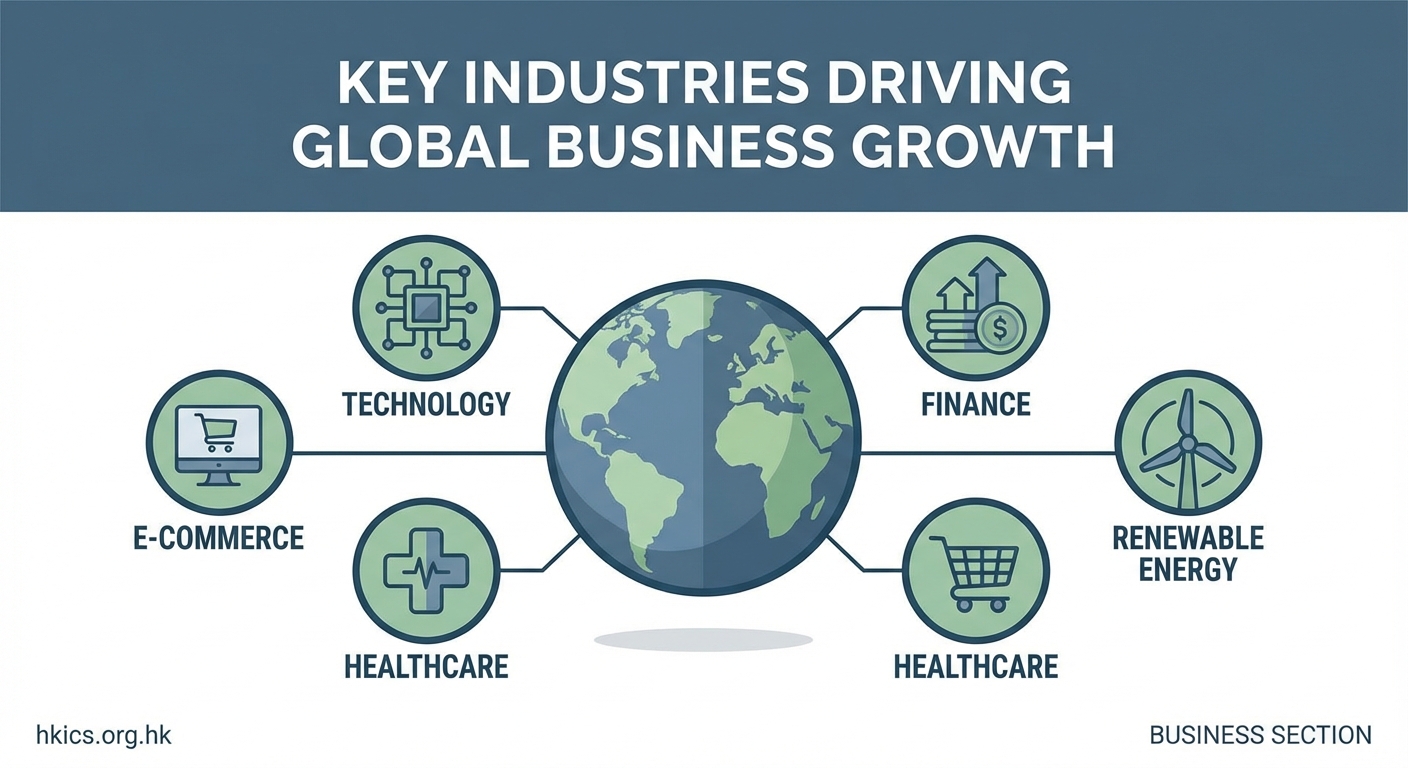
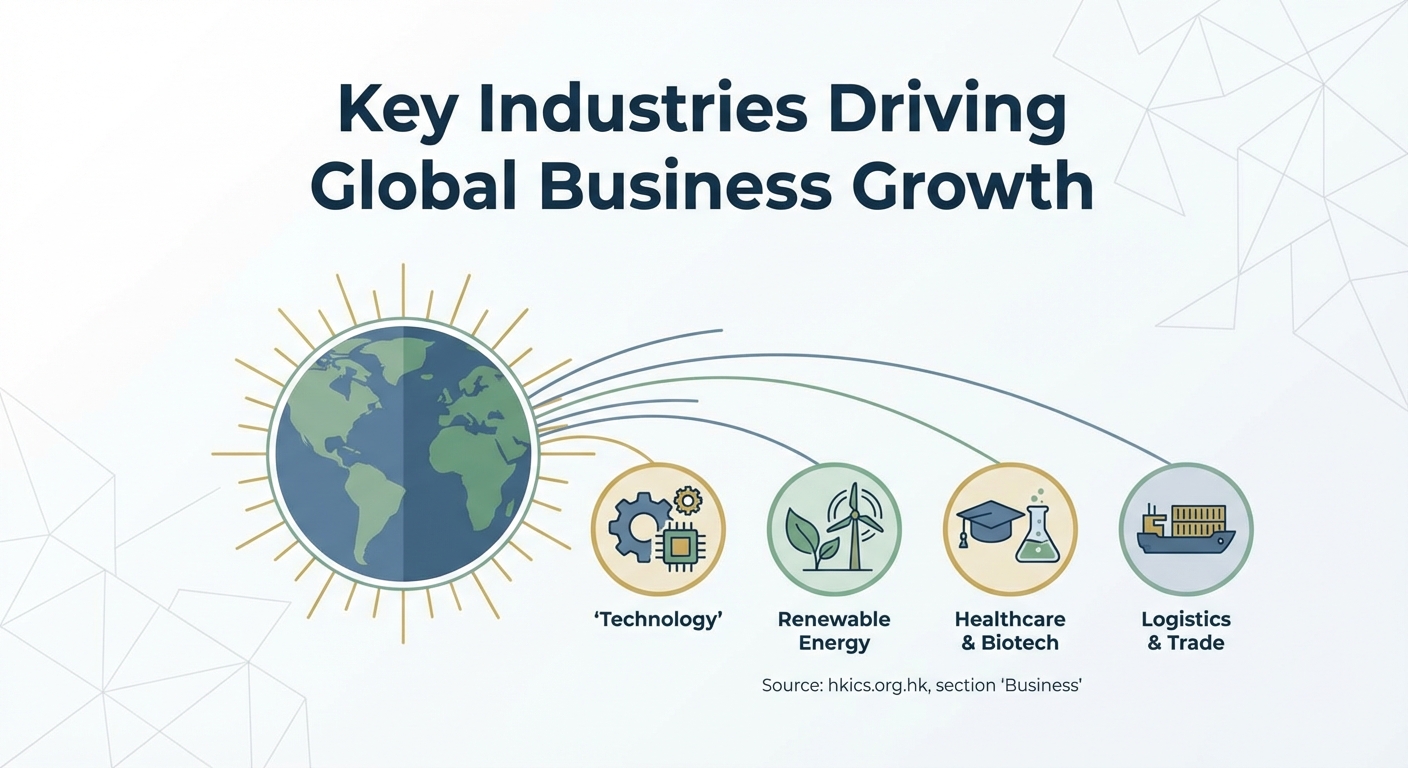
Several industries are experiencing unprecedented growth rates that are reshaping the global economy. Renewable energy, artificial intelligence, healthcare technology, electric vehicles, cybersecurity, and biotechnology lead the pack. These sectors combine technological innovation with urgent market needs, creating massive opportunities for investors and professionals. Understanding their growth drivers helps you make smarter strategic decisions about where to allocate resources and attention in the coming decade.
Renewable energy transforms global power systems
The renewable energy sector is experiencing growth that makes most other industries look stagnant by comparison. Solar and wind power installations are breaking records every quarter. Governments worldwide are committing trillions to clean energy transitions. This isn’t just environmental policy. It’s economic reality.
Solar panel costs have dropped by over 90% in the past decade. This price collapse has made solar the cheapest source of electricity in most markets. Wind energy follows a similar trajectory. Offshore wind farms are becoming massive infrastructure projects that rival traditional power plants in scale.
The growth numbers tell a compelling story. Global renewable energy capacity is expected to triple by 2030. Investment in this sector reached $500 billion in 2023 alone. Countries like China, the United States, and members of the European Union are racing to dominate manufacturing and installation.
Battery storage technology is solving the intermittency problem that once limited renewables. Large-scale battery installations are making it possible to store excess solar and wind power for use when the sun isn’t shining or wind isn’t blowing. This breakthrough removes the final major obstacle to renewable dominance.
The transition to renewable energy represents the largest infrastructure buildout in human history. The companies and countries that lead this transition will define the economic landscape for generations.
Artificial intelligence reshapes every business function
Artificial intelligence has moved from science fiction to business necessity in less than a decade. Every industry is finding applications for machine learning, natural language processing, and computer vision. The growth rate is staggering.
The AI market was valued at roughly $136 billion in 2022. Projections suggest it will reach $1.8 trillion by 2030. That’s a compound annual growth rate exceeding 38%. Few industries in history have sustained that kind of expansion.
What’s driving this growth? AI delivers measurable returns across countless applications. Customer service chatbots reduce costs while improving response times. Predictive maintenance systems prevent equipment failures before they happen. Fraud detection algorithms save financial institutions billions annually.
Manufacturing is being transformed by AI-powered quality control and process optimization. Healthcare uses AI for diagnostic imaging analysis and drug discovery. Retail applies it to inventory management and personalized recommendations. The applications are nearly limitless.
The democratization of AI tools means smaller companies can now access capabilities that were once exclusive to tech giants. Cloud-based AI services let businesses of any size implement sophisticated algorithms without building massive infrastructure.
| Industry Application | Primary AI Use Case | Business Impact |
|---|---|---|
| Healthcare | Diagnostic imaging analysis | 30% faster detection rates |
| Manufacturing | Predictive maintenance | 25% reduction in downtime |
| Retail | Personalized recommendations | 15% increase in conversion |
| Finance | Fraud detection | 40% reduction in false positives |
| Logistics | Route optimization | 20% fuel cost savings |
Healthcare technology meets aging demographics
The healthcare technology sector is experiencing a perfect storm of growth drivers. Aging populations in developed economies are increasing demand for medical services. Rising chronic disease rates create ongoing treatment needs. Technology is making new treatments possible while reducing costs.
Telemedicine exploded during the pandemic and has maintained much of that growth. Patients appreciate the convenience. Healthcare systems value the efficiency. Remote monitoring devices let doctors track patient conditions in real time without office visits.
Medical devices are becoming smarter and less invasive. Wearable sensors track everything from heart rhythms to blood glucose levels. These devices generate data that AI systems analyze for early warning signs of health problems.
Genomic medicine is moving from research labs to clinical practice. The cost of sequencing a human genome has dropped from $100 million to under $1,000 in two decades. This price collapse is enabling personalized medicine approaches that tailor treatments to individual genetic profiles.
Digital therapeutics represent an entirely new category of treatment. Software applications are receiving regulatory approval to treat conditions ranging from diabetes to mental health disorders. These digital treatments often complement or replace traditional pharmaceutical approaches.
The numbers reflect this transformation. The global digital health market exceeded $200 billion in 2023. Projections suggest it will reach $660 billion by 2030. That growth rate outpaces traditional pharmaceutical and medical device sectors.
Electric vehicles accelerate transportation transformation
The automotive industry is experiencing its most significant transformation since Henry Ford introduced the assembly line. Electric vehicles are rapidly gaining market share across every vehicle category. This shift is creating massive growth opportunities while disrupting established players.
Global EV sales crossed 10 million units in 2022. That number is expected to reach 35 million by 2030. This growth is happening faster than most analysts predicted even five years ago. China leads in absolute numbers, but adoption is accelerating everywhere.
Several factors are driving this transition:
- Battery costs have fallen by 89% since 2010, making EVs price competitive with gasoline vehicles
- Charging infrastructure is expanding rapidly, reducing range anxiety
- Government incentives and regulations are accelerating adoption timelines
- Performance advantages are winning over enthusiasts who once dismissed EVs
- Total cost of ownership favors EVs due to lower fuel and maintenance costs
The EV transition extends far beyond passenger cars. Electric buses are becoming standard in many cities. Delivery vans are going electric as companies seek to reduce urban emissions. Even heavy trucks are beginning the transition, though challenges remain for long-haul applications.
The supply chain implications are enormous. Battery manufacturing is becoming a strategic industry. Lithium, cobalt, and nickel mining are experiencing investment booms. Charging infrastructure deployment represents a multi-hundred-billion-dollar opportunity.
Traditional automakers are racing to catch up with EV-native companies. Some will succeed. Others will fail. The next decade will determine which automotive brands survive this transition and which become footnotes in business history.
Cybersecurity becomes non-negotiable infrastructure
Every business is now a digital business. That reality makes cybersecurity essential rather than optional. The threat landscape is growing more sophisticated every year. Ransomware attacks cost businesses billions annually. Data breaches destroy reputations and trigger massive regulatory fines.
The cybersecurity market is responding with explosive growth. Global spending on cybersecurity products and services exceeded $170 billion in 2022. Projections suggest it will reach $345 billion by 2030. That’s a compound annual growth rate above 9%.
What’s driving this investment? The cost of security failures keeps rising. A single major breach can cost a company hundreds of millions in direct costs, regulatory penalties, and lost business. Insurance companies are demanding better security practices before providing coverage.
The shift to cloud computing and remote work has expanded the attack surface. Traditional perimeter-based security models no longer work when employees access company resources from anywhere. Zero-trust architectures are becoming the new standard.
Three key areas are experiencing particularly strong growth:
- Cloud security tools that protect data and applications hosted in public cloud environments
- Identity and access management systems that verify users and control permissions
- Security operations centers that monitor networks for threats and respond to incidents
The talent shortage in cybersecurity is creating opportunities for professionals willing to develop these skills. Demand for security analysts, penetration testers, and security architects far exceeds supply. This imbalance is driving salary growth that outpaces most other technology roles.
Biotechnology advances human capabilities
Biotechnology is entering a golden age of innovation and commercialization. Advances in gene editing, synthetic biology, and biomanufacturing are enabling treatments and products that were impossible a decade ago. The commercial applications extend far beyond medicine.
CRISPR and other gene-editing technologies are moving from research tools to therapeutic platforms. Several gene-editing treatments have received regulatory approval. Many more are in clinical trials. These therapies can potentially cure genetic diseases that were once considered untreatable.
Synthetic biology is enabling the production of materials and chemicals using biological processes instead of traditional chemistry. Bacteria can now be programmed to produce everything from insulin to jet fuel. This approach often proves more sustainable and cost-effective than conventional manufacturing.
Agricultural biotechnology is developing crops that require less water, resist pests without pesticides, and deliver enhanced nutrition. These advances are essential for feeding a growing global population while reducing environmental impact.
The investment numbers reflect growing confidence in the sector. Biotech venture capital funding exceeded $30 billion in 2022. Public market valuations for successful biotech companies have reached levels that rival traditional pharmaceutical giants.
Regulatory frameworks are adapting to these new technologies. Approval pathways are becoming clearer. This regulatory clarity is reducing risk for companies and investors, further accelerating growth.
| Biotechnology Sector | Key Innovation | Market Size Projection |
|---|---|---|
| Gene therapy | CRISPR-based treatments | $45B by 2030 |
| Synthetic biology | Engineered microorganisms | $39B by 2030 |
| Agricultural biotech | Gene-edited crops | $28B by 2030 |
| Biomanufacturing | Cell-based production | $62B by 2030 |
Financial technology democratizes access
Financial technology is transforming how people and businesses manage money. Traditional banking infrastructure is being replaced by digital-first platforms that offer better user experiences and lower costs. This transformation is creating massive growth opportunities.
Digital payments are replacing cash and checks in markets worldwide. Mobile payment apps have achieved near-universal adoption in some countries. Even in markets where traditional banking is strong, digital payment growth rates exceed 20% annually.
Cryptocurrency and blockchain technology remain controversial but continue to attract investment and development effort. Decentralized finance platforms are creating alternatives to traditional banking services. Central banks are developing digital currencies to maintain relevance in this changing landscape.
Lending platforms use alternative data and AI to assess creditworthiness for people who lack traditional credit histories. This approach is expanding financial access to billions of people who were previously excluded from formal financial systems.
Investment platforms are democratizing access to asset classes that were once exclusive to wealthy individuals and institutions. Fractional ownership of real estate, art, and private companies is becoming commonplace. Robo-advisors provide investment management services at a fraction of traditional costs.
The regulatory environment is catching up with innovation. Clear rules are emerging in major markets. This regulatory clarity is attracting institutional investment and enabling larger-scale operations.
E-commerce and logistics evolve together
Online retail continues to capture market share from physical stores. The pandemic accelerated a trend that was already underway. E-commerce now represents over 20% of total retail sales globally, and that percentage keeps climbing.
The growth isn’t just about moving existing purchases online. E-commerce is enabling entirely new business models. Subscription services for everything from razors to pet food have created predictable revenue streams. Direct-to-consumer brands are bypassing traditional retail channels entirely.
The logistics infrastructure supporting e-commerce is experiencing corresponding growth. Last-mile delivery is becoming a massive industry unto itself. Warehouse automation is advancing rapidly as companies seek to handle growing order volumes efficiently.
Same-day and next-day delivery are becoming standard expectations rather than premium services. Meeting these expectations requires sophisticated logistics networks and significant capital investment. Companies that can deliver this capability are capturing disproportionate market share.
Cross-border e-commerce is growing even faster than domestic online retail. Consumers can now easily purchase products from anywhere in the world. This trend is creating opportunities for businesses of all sizes to access global markets.
Positioning for the growth ahead
These industries aren’t growing in isolation. They’re interconnected and mutually reinforcing. AI improves renewable energy efficiency. Biotechnology relies on advanced computing. Electric vehicles need cybersecurity. Financial technology enables e-commerce.
Understanding these connections helps identify the most promising opportunities. Companies operating at the intersection of multiple growth industries often achieve the highest returns. Professionals with skills that span sectors become invaluable.
The pace of change will continue accelerating. New technologies will emerge. Unexpected disruptions will occur. But the fundamental drivers behind these growth industries remain solid. They address real needs with improving economics. That combination creates sustainable growth rather than temporary bubbles.
Your move is deciding how to position yourself or your organization to benefit from these trends. That might mean shifting investment allocations, developing new skills, or pivoting business strategies. The opportunities are real, but they require action rather than observation.