

The traditional startup playbook is broken. You no longer need a Silicon Valley office, local talent pools, or expensive city-center real estate to build a thriving company. Founders today are launching borderless startups that operate across continents, hire the best talent regardless of location, and scale without the constraints that held previous generations back.
Borderless startups remote work strategies allow founders to access global talent, reduce operational costs by up to 70%, and build distributed teams that operate across time zones. This model requires intentional systems for communication, compliance, and culture, but offers unprecedented flexibility and competitive advantages for companies willing to embrace location independence from day one.
Why geography no longer defines startup success
The shift to remote work accelerated what was already happening. Talented developers in Buenos Aires, designers in Lisbon, and marketers in Bangkok can now contribute to startups without relocating. This changes everything about how you build a company.
Physical headquarters once signaled legitimacy. Now they signal inflexibility. Investors increasingly back teams that demonstrate they can operate efficiently without centralized offices. The cost savings alone make a compelling case, but the real advantage lies in talent access.
When you remove geographic boundaries, your hiring pool expands from thousands to millions. You can find specialists with niche expertise instead of settling for whoever lives within commuting distance. You can build teams that work around the clock, passing projects between time zones like a relay race.
Setting up your borderless infrastructure
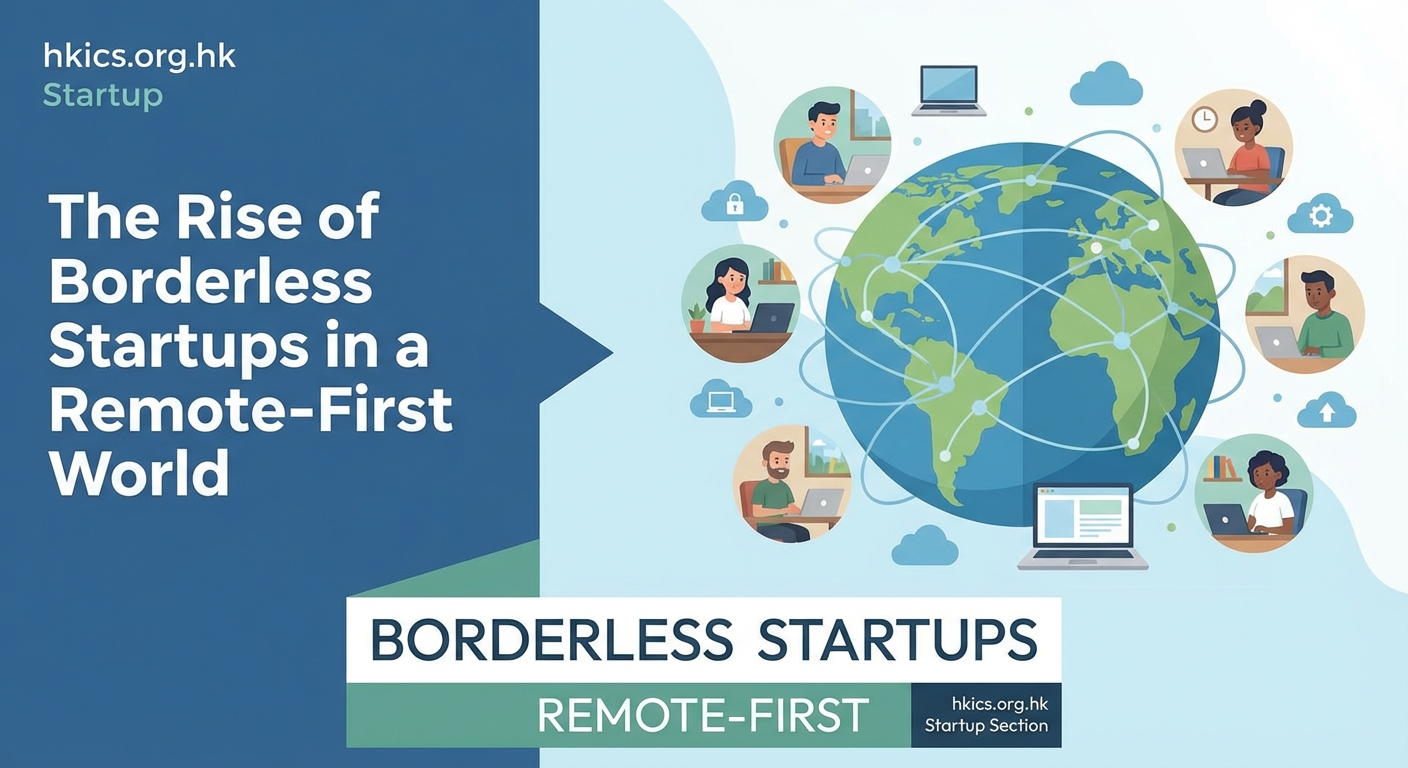
Building a company without borders requires more intentional systems than traditional startups. You cannot rely on hallway conversations or impromptu meetings. Everything must be documented, accessible, and asynchronous by default.
Legal and compliance foundations
Your legal structure determines how easily you can hire globally and manage operations across jurisdictions. Many founders start with a Delaware C-corp for investor familiarity, then layer on entities or contractor relationships as they expand.
Consider these compliance requirements:
- Employment laws vary dramatically between countries and require local expertise
- Tax obligations multiply when you have team members in different jurisdictions
- Intellectual property assignments need careful documentation across borders
- Data privacy regulations like GDPR affect how you handle employee and customer information
Professional employer organizations (PEOs) and employer of record (EOR) services handle much of this complexity. They become the legal employer in countries where you lack entities, managing payroll, benefits, and compliance while your team members work for your company operationally.
The costs seem high until you compare them to establishing legal entities in every country where you want to hire. For early stage companies, EOR services offer speed and flexibility that outweigh the premium.
Communication architecture
Distributed teams live or die by their communication systems. You need clarity on what happens where, when people should be available, and how information flows.
| Communication Type | Best Tool Category | Response Expectation |
|---|---|---|
| Urgent issues | Real-time messaging | Within 1 hour during work hours |
| Project updates | Async collaboration platforms | Within 24 hours |
| Documentation | Knowledge bases | No response needed |
| Strategy discussions | Video calls (recorded) | Scheduled in advance |
| Quick questions | Threaded chat | Within 4 hours |
The mistake most borderless startups make is treating everything as urgent. When you ping people constantly across time zones, you create exhaustion and resentment. Default to asynchronous communication and reserve synchronous time for genuine collaboration.
Record every meeting. Team members in other time zones should be able to catch up on decisions without asking for summaries. Written communication becomes your source of truth, not what someone remembers from a call.
Hiring and building culture across borders
Recruiting for borderless startups requires different evaluation criteria than traditional hiring. You cannot assess someone’s ability to thrive in your office culture because you have no office. You need to identify people who excel with autonomy.
What to look for in remote candidates
Self-direction matters more than credentials. Look for people who have successfully worked remotely before, preferably in startup environments. Ask about their home office setup, their typical work routines, and how they stay motivated without external structure.
Communication skills become critical. Someone might be brilliant but ineffective if they cannot articulate ideas in writing or participate thoughtfully in async discussions. Test this during the interview process with written exercises and async collaboration.
Time zone overlap affects collaboration quality. Having some synchronous hours makes everything easier, even if you embrace async-first principles. Consider whether candidates can shift their schedules slightly to create overlap with core team hours.
“The best remote hires are people who treat documentation like a love language. They write clear updates, ask specific questions, and leave breadcrumbs for others to follow. You can teach skills, but you cannot easily teach someone to communicate proactively across distance.” – Experienced remote startup founder
Building connection without proximity
Culture does not require physical presence, but it requires intention. You need rituals, shared experiences, and opportunities for people to connect as humans, not just coworkers.
- Schedule regular virtual social time that is truly optional and genuinely social
- Create async channels for non-work conversations about hobbies, local events, or shared interests
- Invest in annual or biannual in-person gatherings where the entire team meets face-to-face
- Celebrate milestones publicly and create traditions around achievements
- Encourage video-on meetings for relationship building, even when audio would suffice
The companies that succeed at remote culture treat it as a feature, not a limitation. They hire people who value flexibility and autonomy, then build systems that support those values.
Managing operations across time zones
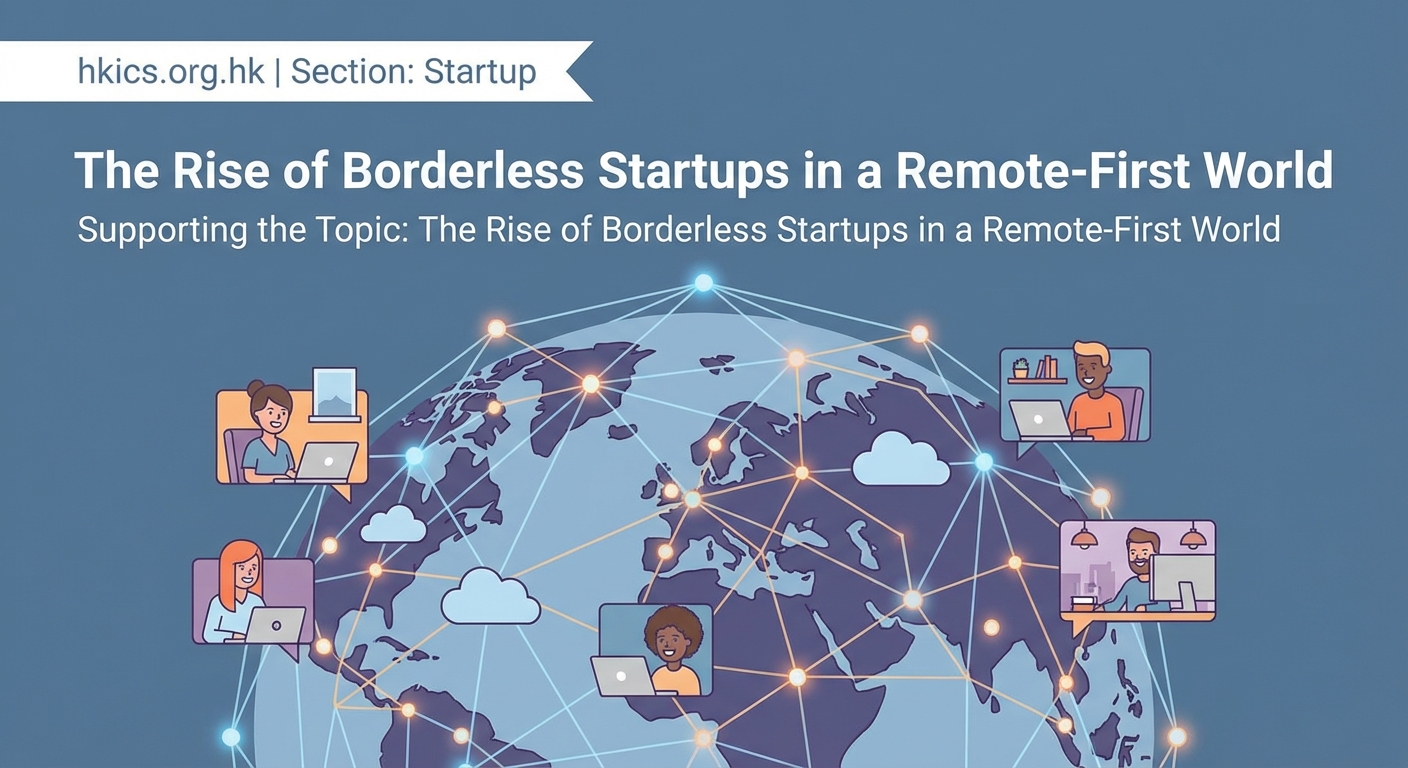
Running a borderless startup means someone is always working and someone is always sleeping. This creates opportunities and challenges that traditional companies never face.
Workflow design for distributed teams
Break projects into discrete chunks that individuals can own completely. Handoffs between time zones work when responsibilities are clear and documentation is thorough. They fail when people need constant back-and-forth to make progress.
Use time zone differences strategically. Your European team can handle morning customer support while your Americas team sleeps, then hand off to Asia-Pacific. Product development can continue around the clock if you design sprints that allow for async progress.
Set core collaboration hours when most of the team can be available simultaneously. This might be just two or three hours daily, but protecting that window for meetings and real-time collaboration makes everything smoother.
Tools and systems that enable borderless work
Your technology stack determines how efficiently you can operate. Choose tools designed for distributed teams from the start.
Essential categories include:
- Project management platforms that show what everyone is working on without asking
- Cloud-based development environments that eliminate “works on my machine” problems
- Shared documentation systems with robust search and version control
- Financial tools that handle multi-currency payments and international transfers
- HR platforms that manage benefits and compliance across jurisdictions
Avoid tools that assume everyone works in the same office or time zone. Calendar apps should display multiple time zones clearly. Scheduling tools should find overlap automatically. Communication platforms should support async threads, not just real-time chat.
Financial advantages of borderless operations
The economics of borderless startups are compelling. You can build a world-class team for a fraction of what it costs in expensive tech hubs.
A senior developer in San Francisco might cost $180,000 annually plus benefits and equity. That same talent level in Poland, Portugal, or Mexico might cost $60,000 to $90,000. The quality difference is negligible, but the cost savings are dramatic.
Real estate expenses disappear almost entirely. Instead of spending $50,000 monthly on office space, you might spend $5,000 on coworking stipends for team members who want them. The math changes your runway calculations significantly.
These savings let you hire more people, invest more in product development, or simply extend your runway. Early stage companies that embrace borderless models can achieve more with less capital, giving them competitive advantages over traditional startups.
Common mistakes borderless startups make
The flexibility of remote work creates new failure modes. Knowing what to avoid helps you build stronger systems from the start.
Timezone chaos
Trying to accommodate everyone equally leads to meetings at 3am for someone. Accept that you cannot make every time convenient for everyone. Rotate inconvenient meeting times fairly, use async updates as the default, and protect people’s off-hours.
Weak documentation habits
When information lives in people’s heads or private messages, distributed teams struggle. Build a culture of writing things down from day one. Make documentation a performance metric, not an afterthought.
Hiring for availability over ability
The temptation to hire whoever can start immediately in your time zone undermines the entire point of borderless hiring. Be patient and find the right people, even if it takes longer.
Ignoring compliance requirements
Employment law violations, tax problems, and IP issues can destroy startups. Invest in proper legal setup and professional guidance before you hire across borders, not after problems emerge.
Assuming remote means isolated
People need connection, mentorship, and career development regardless of location. Create pathways for growth, pair junior team members with mentors, and invest in relationships intentionally.
Scaling borderless teams sustainably
Growth creates new challenges for distributed companies. What works at five people breaks at fifty.
Formalize your processes before you need them. Document how you make decisions, run projects, and communicate across teams. Create playbooks for common situations so new hires can get up to speed without constant hand-holding.
Build middle management thoughtfully. Remote teams need strong managers who can coach, unblock, and coordinate without micromanaging. Look for people who have successfully led distributed teams before.
Maintain culture deliberately as you grow. The informal connections that happened naturally at ten people require structured effort at one hundred. Create cross-functional projects, rotate people between teams, and invest in gatherings that build relationships.
Making borderless work for your startup
Borderless startups remote work models offer genuine competitive advantages, but they require commitment to new ways of working. You cannot simply take your office culture and distribute it across continents. You need to rebuild systems, communication patterns, and cultural norms for a distributed reality.
Start with clarity about why you are choosing this model. If it is purely about cost savings, you will struggle when challenges emerge. If it is about accessing the best talent globally and building flexibility into your company DNA, you will find ways to overcome obstacles.
The founders succeeding with borderless models treat location independence as a core value, not a temporary response to circumstances. They hire people who thrive with autonomy, build systems that support async work, and create cultures that transcend physical proximity. The result is companies that can compete globally while offering team members the flexibility that increasingly defines quality of life.
Your next hire could be anywhere in the world. Your competitive advantage might come from talent in markets your competitors ignore. The question is whether you are ready to build the systems that make borderless operations work at scale.