
Inflation doesn’t respect borders. When prices rise in one economy, the ripples spread across continents through currency fluctuations, shifting trade balances, and volatile capital flows. For anyone doing business internationally or investing across markets, understanding these connections isn’t optional anymore.
Inflation transforms international markets by altering currency exchange rates, disrupting supply chains, and redirecting investment capital. Central bank responses create divergent monetary policies that amplify volatility in forex markets and commodity prices. Businesses face higher import costs and margin pressure while investors must recalibrate portfolios to protect returns. Understanding these mechanisms helps professionals anticipate market shifts and adjust strategies accordingly.
Currency markets react first
Exchange rates move before most other indicators when inflation data hits the wires. Higher inflation typically weakens a currency as purchasing power declines. Investors demand better returns to compensate for eroding value.
The US dollar strengthened significantly during 2022 and 2023 as the Federal Reserve raised rates aggressively to combat inflation. Meanwhile, currencies from countries with slower policy responses depreciated sharply. The Japanese yen lost over 20% against the dollar during this period because the Bank of Japan maintained ultra-low rates.
This creates winners and losers immediately. Exporters in countries with weaker currencies gain competitive advantages. Their goods become cheaper for foreign buyers. Importers face the opposite problem. The cost of bringing goods into the country rises, squeezing margins or forcing price increases.
Currency volatility also spikes during inflationary periods. Traders react to each new data release, central bank statement, and policy shift. This makes planning harder for businesses with international operations. A contract signed in one quarter might become unprofitable by the next if exchange rates move 10% or 15%.
Trade balances shift under pressure
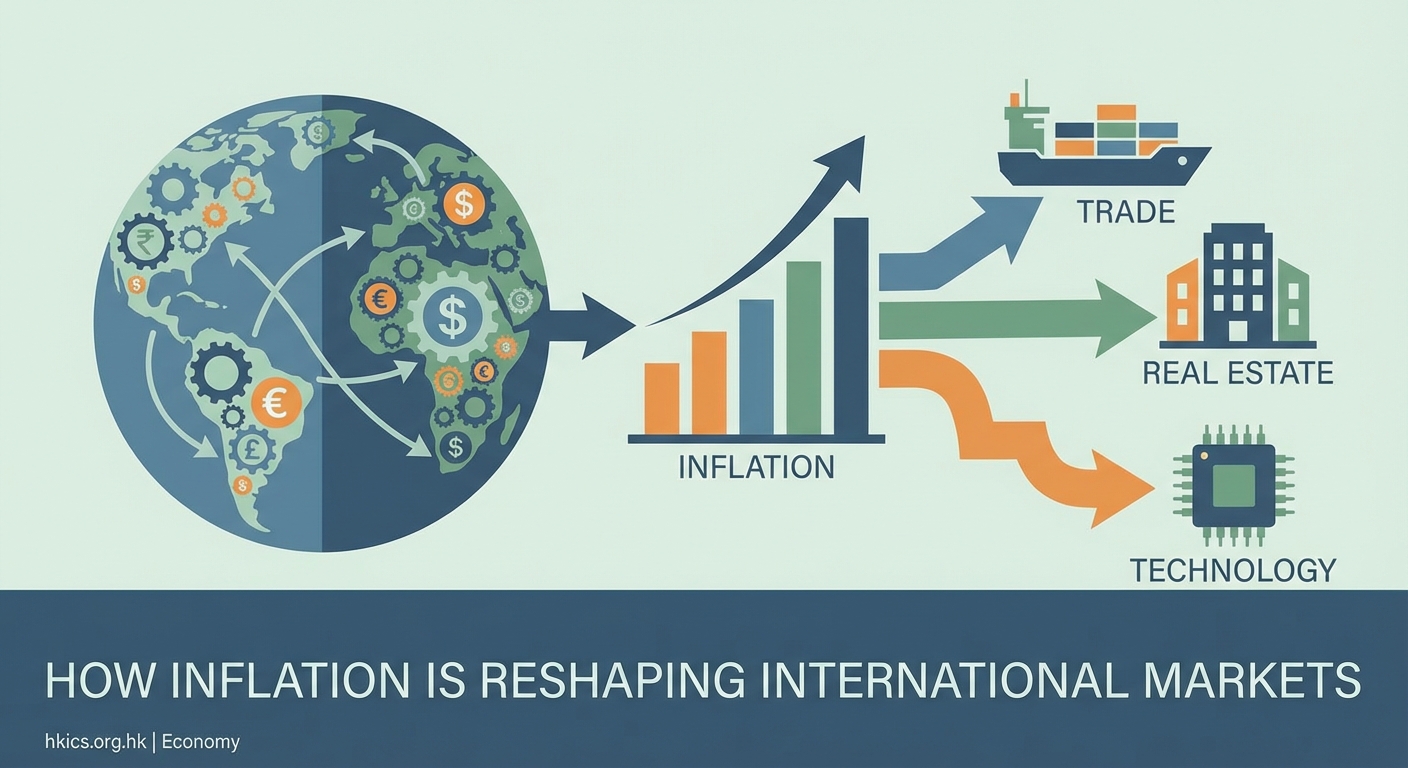
Inflation changes what countries buy and sell. When domestic prices rise faster than foreign prices, imports become relatively cheaper. Consumers and businesses substitute foreign goods for domestic ones.
This happened across Europe during 2021 and 2022. Energy inflation drove up production costs for European manufacturers. Companies increasingly sourced components and finished goods from Asia where production costs remained lower. Trade deficits widened as imports surged.
The opposite effect appears in commodity-exporting nations. Countries selling oil, gas, metals, or agricultural products benefit when global inflation drives commodity prices higher. Their export revenues jump even if physical volumes stay flat.
Consider three scenarios:
- A manufacturing economy with high inflation sees its trade deficit expand as imports become more attractive than expensive domestic production.
- A commodity exporter experiences improved terms of trade as resource prices outpace the cost of manufactured imports.
- A service-oriented economy faces challenges as physical goods become pricier to import while service exports generate less revenue in real terms.
Trade policy responses follow these shifts. Governments facing widening deficits may impose tariffs, quotas, or other restrictions. They might also devalue currencies deliberately to restore competitiveness. These interventions create additional uncertainty for international businesses.
Central bank divergence amplifies volatility
Different inflation rates lead to different monetary policies. Central banks operate independently with varying mandates and risk tolerances. This creates policy divergence that magnifies market movements.
When the Federal Reserve raises rates while the European Central Bank holds steady, capital flows toward dollar-denominated assets. Investors chase higher yields. This strengthens the dollar further and can destabilize emerging market currencies as capital exits those economies.
The timing of policy shifts matters enormously. Markets price in expected changes months in advance. Surprises in either direction trigger sharp reactions. A central bank that moves faster than expected causes its currency to spike. One that disappoints expectations sees rapid depreciation.
Policy divergence creates opportunities for those who can navigate the complexity, but it punishes anyone caught on the wrong side of a sudden shift. Risk management becomes essential, not optional.
Emerging markets face particular challenges during these periods. Many have debt denominated in foreign currencies, typically dollars or euros. When their domestic currencies weaken due to inflation differentials, the real burden of that debt increases. This can trigger financial crises if reserves run low.
Investment flows redirect globally
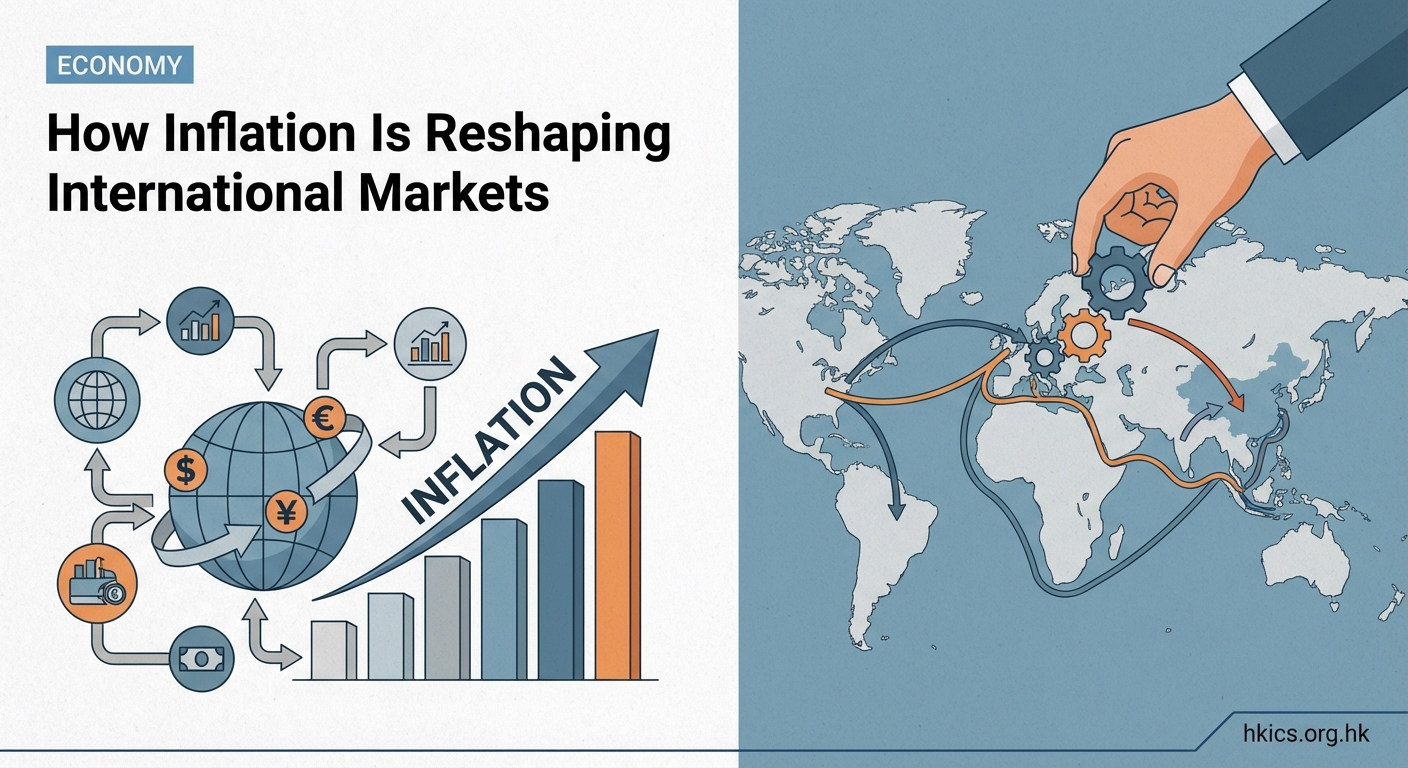
Inflation reshapes where money goes. Real returns matter more than nominal returns. Investors seek assets that preserve purchasing power.
During high inflation periods, certain asset classes attract more capital:
- Commodities and natural resources that appreciate with rising prices
- Real estate in markets with strong rental growth potential
- Inflation-linked bonds that adjust payments based on price indices
- Equities in sectors with pricing power to pass costs to customers
- Hard currencies from countries with credible inflation-fighting policies
Capital exits other areas just as quickly. Long-duration bonds lose appeal as inflation erodes future payment values. Growth stocks with distant profit horizons face valuation pressure when discount rates rise. Currencies from high-inflation countries see persistent outflows.
These flows create feedback loops. When investors pull capital from emerging markets, those currencies weaken further. This increases import costs and fuels more inflation. The cycle can spiral without intervention.
Portfolio managers must constantly reassess allocations. A strategy that worked during low inflation fails when price pressures build. Geographic diversification becomes more complex as correlations between markets change.
Supply chains face cost pressures
International supply chains transmit inflation across borders. A factory in Vietnam pays more for energy and labor. Those costs flow to the retailer in New York through higher wholesale prices.
The transmission isn’t always smooth or immediate. Contracts often lock in prices for quarters or years. When those contracts renew, businesses face sudden cost jumps. Some absorb the increases. Others pass them to customers. Many do both, accepting lower margins on existing business while raising prices for new orders.
Transportation costs amplify the effect. Shipping rates surged during recent inflationary periods as fuel prices climbed and capacity tightened. A container that cost $2,000 to move from Shanghai to Los Angeles in 2019 reached $20,000 at the peak in 2021. Even after normalizing, rates remain elevated compared to pre-pandemic levels.
Businesses respond by reshoring production or nearshoring to reduce transportation exposure. This trend accelerates during high inflation as the cost advantage of distant manufacturing shrinks. Mexico has gained factory investment as US companies seek proximity over absolute lowest cost.
| Inflation Impact | Business Response | Market Effect |
|---|---|---|
| Rising input costs | Renegotiate supplier contracts | Margin compression across sectors |
| Higher shipping rates | Shift to regional suppliers | Reduced trade volumes on long routes |
| Currency volatility | Implement hedging strategies | Increased demand for derivatives |
| Wage pressures | Automate production processes | Capital expenditure cycles accelerate |
| Energy price spikes | Relocate to lower-cost regions | Geographic shifts in manufacturing |
Commodity markets become more volatile
Inflation and commodity prices share a complex relationship. Rising commodity costs contribute to overall inflation. But inflation expectations also drive commodity speculation, pushing prices higher independent of supply and demand fundamentals.
Oil provides the clearest example. Energy costs feed into nearly every economic activity. When oil prices jump, transportation, manufacturing, and heating costs all increase. This broad-based impact makes energy inflation particularly damaging.
Agricultural commodities follow similar patterns. Wheat, corn, and soy prices affect food costs globally. Countries that import large quantities of grain face food inflation when crop prices rise. This can trigger social unrest in nations where households spend high percentages of income on food.
Metal prices reflect both industrial demand and inflation hedging. Copper, aluminum, and steel serve as economic indicators. Rising prices signal strong construction and manufacturing activity. But during inflationary periods, investors also buy metals as stores of value, pushing prices beyond levels justified by industrial use alone.
Commodity exporters benefit from these dynamics. Russia, Saudi Arabia, Brazil, and Australia see improved fiscal positions when resource prices climb. They can fund government programs more easily and accumulate foreign exchange reserves. This gives them greater economic flexibility.
Importers face the opposite situation. Japan, South Korea, and many European nations import most energy and raw materials. Higher commodity prices worsen their trade balances and fuel domestic inflation. They become more vulnerable to external shocks.
Corporate strategy must adapt
Companies operating internationally need different approaches during inflationary periods. Strategies that worked during price stability fail when costs and currencies fluctuate rapidly.
Pricing power becomes the most valuable asset. Businesses that can raise prices without losing customers maintain margins. Luxury brands, essential services, and companies with strong differentiation fare better than commodity producers or retailers in competitive markets.
Here’s how leading companies adjust:
- Implement dynamic pricing that responds to cost changes within weeks rather than annually
- Diversify supplier bases across multiple countries to reduce dependence on any single source
- Use financial hedges to lock in currency rates and commodity costs for key inputs
- Accelerate product development to introduce higher-margin offerings that justify premium prices
- Invest in automation and efficiency to offset wage inflation without reducing workforce
Financial planning becomes more complex. Budgets need frequent revision as assumptions about costs, prices, and exchange rates prove wrong. Scenario planning replaces single forecasts. Companies model multiple inflation paths and prepare responses for each.
Cash management takes on greater importance. Holding cash in a depreciating currency destroys value. Firms move excess funds into harder currencies or short-term investments that offer positive real returns. They also accelerate collections and delay payments when possible to minimize exposure to inflation.
Emerging markets face unique challenges
Developing economies experience amplified effects from global inflation. Many factors compound their vulnerability.
Currency weakness hits harder because these countries import essential goods like energy, food, and medicine. A 20% currency depreciation immediately increases costs for items that can’t be produced domestically. Governments face difficult choices between subsidizing imports or allowing prices to rise.
External debt becomes more burdensome. Countries that borrowed in dollars or euros must generate more domestic currency to service those obligations. If their currency weakens 30%, debt service costs effectively increase 30% even if interest rates stay flat.
Capital flight accelerates problems. When inflation rises and currencies weaken, both foreign and domestic investors move money to safer havens. This drains foreign exchange reserves and forces central banks to raise rates aggressively to stem outflows. Higher rates then slow economic growth.
Some emerging markets handle these pressures better than others. Countries with strong fiscal positions, diversified economies, and credible institutions weather storms more successfully. Those with large deficits, commodity dependence, or weak governance face potential crises.
Investment strategies require recalibration
Traditional portfolio approaches struggle during high inflation periods. The classic 60/40 stock-bond allocation delivered poor results during 2022 as both asset classes declined simultaneously. Investors need different frameworks.
Real assets gain importance. Property, infrastructure, and commodity-linked investments tend to preserve value when prices rise. They generate cash flows that adjust with inflation or appreciate as replacement costs increase.
Geographic allocation matters more. Investors overweight markets with strong anti-inflation credentials. Switzerland, Singapore, and other countries with histories of price stability attract capital. They also favor commodity exporters that benefit from rising resource prices.
Active management becomes more valuable than passive indexing. Market dislocations create opportunities for skilled managers to add value through security selection and tactical allocation. The dispersion of returns across stocks and sectors widens, rewarding careful analysis.
Currency hedging decisions require constant attention. Leaving foreign investments unhedged exposes portfolios to exchange rate moves that can overwhelm underlying asset returns. But hedging costs money and eliminates potential gains if the foreign currency appreciates.
Duration management in fixed income becomes critical. Long-term bonds suffer when inflation rises and central banks tighten policy. Investors shift toward shorter maturities, floating-rate notes, and inflation-linked securities that offer protection.
Policy responses create opportunities
Government and central bank actions during inflationary periods generate both risks and opportunities. Understanding policy tools helps anticipate market moves.
Interest rate increases are the primary weapon against inflation. Higher rates slow borrowing and spending, reducing demand pressure on prices. They also attract foreign capital, supporting the currency. But they increase debt service costs and can trigger recessions if applied too aggressively.
Fiscal policy plays a supporting role. Governments may reduce spending or increase taxes to cool demand. These measures prove politically difficult, so they often arrive late or in insufficient magnitude. The gap between needed and actual fiscal tightening creates ongoing inflation pressure.
Supply-side interventions target specific bottlenecks. Governments might release strategic reserves of oil or grain to ease commodity prices. They could temporarily reduce tariffs to lower import costs. These measures provide short-term relief but don’t address underlying inflation drivers.
Currency intervention becomes tempting for countries facing rapid depreciation. Central banks sell foreign reserves to buy domestic currency, supporting its value. This works only if reserves are adequate and the fundamental cause of weakness gets addressed. Otherwise, reserves drain away without solving the problem.
Making inflation work for your strategy
Understanding how inflation affects international markets creates actionable advantages. Rather than simply reacting to price changes, informed professionals can position themselves ahead of shifts.
Start by monitoring inflation differentials between countries where you operate or invest. These gaps predict currency moves and trade flow changes months before they fully materialize. A country with inflation running 3% above its trading partners will likely see currency weakness and trade balance deterioration.
Build flexibility into contracts and commitments. Shorter agreement terms, adjustment clauses, and option structures provide protection when conditions change rapidly. The cost of this flexibility pays for itself many times over during volatile periods.
Maintain diverse exposure across geographies, currencies, and asset types. Concentration in any single market or currency creates vulnerability to inflation shocks in that location. Diversification provides natural hedging and ensures some holdings benefit even as others struggle.
Stay informed about central bank communications and policy trajectories. Markets move on expectations about future actions more than current conditions. Understanding where policy is headed allows positioning before the crowd reacts.
The relationship between inflation and international markets will continue evolving. New shocks will emerge. Policy responses will vary. But the fundamental mechanisms remain consistent. Currencies adjust, trade flows shift, and capital seeks the best risk-adjusted returns. Those who understand these patterns will navigate successfully regardless of the specific circumstances.