

Geopolitical tensions don’t stay confined to diplomatic meetings or military posturing. They ripple through markets, currencies, and supply chains with remarkable speed. A trade embargo announced on Monday can shift commodity prices by Tuesday and alter corporate strategies by Friday. For business professionals and investors, understanding these connections isn’t academic. It’s survival.
Geopolitical events create economic consequences through multiple channels: trade restrictions disrupt supply chains, sanctions reshape currency flows, political instability drives capital flight, and military conflicts spike commodity prices. Business leaders who monitor geopolitical risks can anticipate market shifts, adjust procurement strategies, and protect portfolios from sudden volatility. Understanding these mechanisms transforms geopolitical awareness from news consumption into competitive advantage.
Trade restrictions reshape global supply chains
When nations impose tariffs or trade barriers, the effects cascade far beyond the two countries involved.
Consider the 2018 tariff disputes between major economies. Steel tariffs didn’t just affect steel producers. They increased costs for automotive manufacturers, construction companies, and appliance makers. Companies that relied on just-in-time inventory systems faced immediate pressure.
Supply chain managers suddenly needed alternative suppliers. Procurement teams scrambled to find manufacturers in different countries. Legal departments reviewed contract terms for force majeure clauses.
The economic impact spread in waves:
- Direct costs: Higher prices for imported goods
- Indirect costs: Retaliatory tariffs on exports
- Strategic costs: Investment in new supplier relationships
- Opportunity costs: Resources diverted from growth initiatives
Trade restrictions force companies to choose between absorbing costs or passing them to customers. Neither option feels comfortable when competitors face the same dilemma.
Currency markets respond to political uncertainty
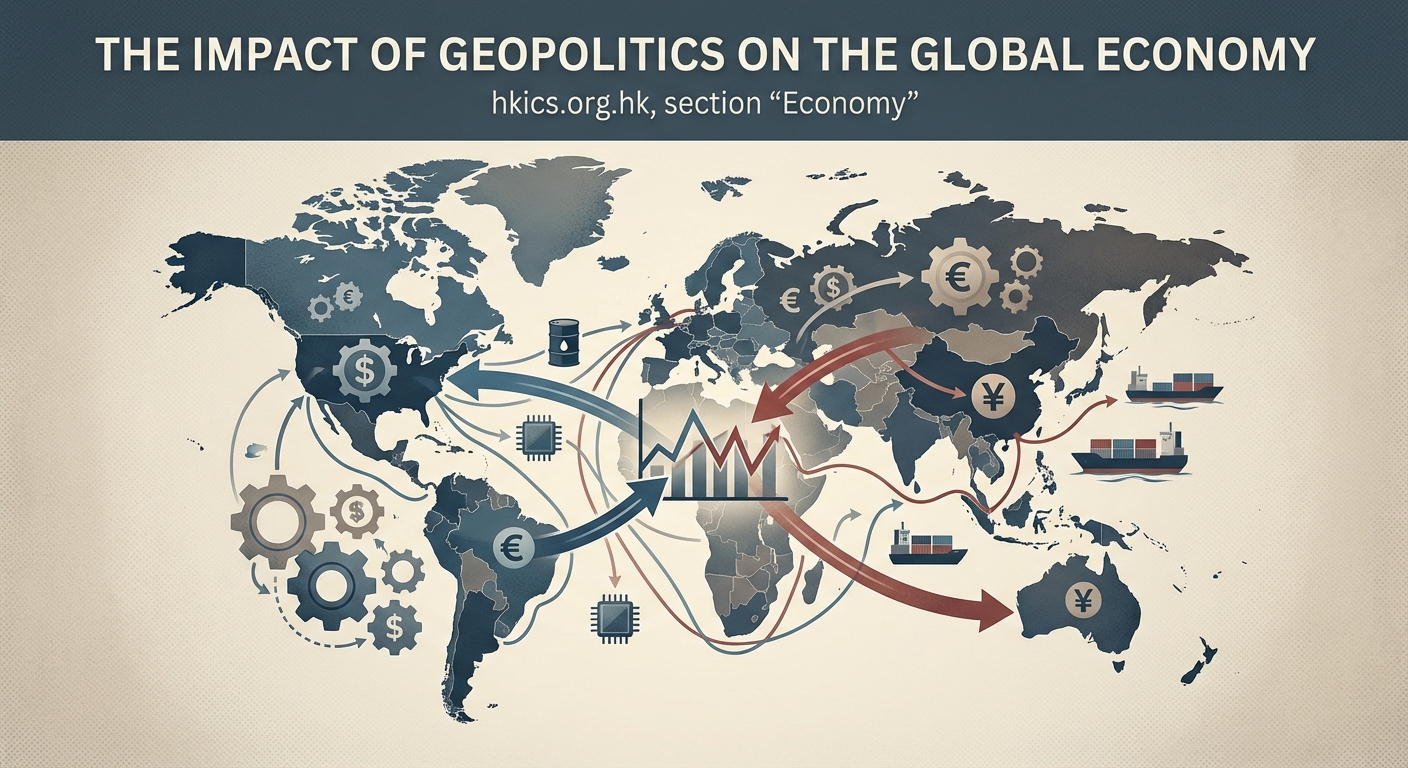
Political instability sends immediate signals through foreign exchange markets.
When a country experiences political turmoil, its currency often weakens. Investors move capital to perceived safe havens. This isn’t speculation. It’s risk management.
A weakening currency affects different stakeholders differently:
- Exporters benefit: Their goods become cheaper for foreign buyers, potentially increasing sales volume.
- Importers suffer: The cost of foreign goods and materials rises, squeezing profit margins.
- Debt holders worry: Companies with foreign currency debt face higher repayment costs.
Central banks sometimes intervene to stabilize currencies. These interventions create their own economic effects. Interest rate changes aimed at currency stability can slow domestic growth or fuel inflation.
The 2022 energy crisis in Europe demonstrated this dynamic clearly. Political tensions disrupted gas supplies. The euro weakened against the dollar. European companies with dollar-denominated contracts faced unexpected cost increases.
Currency volatility complicates financial planning. CFOs who budgeted for stable exchange rates suddenly need to explain variance reports. Treasury departments implement hedging strategies that weren’t necessary months earlier.
Sanctions create winners and losers
Economic sanctions aim to change behavior through financial pressure. They work by restricting access to markets, technology, or financial systems.
The economic consequences extend well beyond targeted countries.
| Sanction Type | Economic Impact | Business Response |
|---|---|---|
| Trade bans | Supply shortages, price spikes | Diversify suppliers, stockpile inventory |
| Financial restrictions | Payment difficulties, banking delays | Alternative payment systems, cryptocurrency |
| Technology export controls | Innovation slowdowns, competitive gaps | Domestic R&D investment, licensing deals |
| Asset freezes | Capital flight, investment uncertainty | Jurisdictional restructuring, compliance programs |
Companies operating internationally face compliance challenges. A single transaction with a sanctioned entity can trigger massive penalties. Compliance departments grow. Due diligence processes lengthen. Deal timelines extend.
Some businesses benefit from sanctions. When one supplier gets cut off from markets, competitors gain market share. Russian oil sanctions created opportunities for Middle Eastern and American producers. Chinese technology restrictions benefited domestic semiconductor companies.
The unintended consequences often surprise policymakers. Sanctions designed to isolate one country can accelerate the development of alternative financial systems. They can strengthen regional trading blocs that bypass traditional Western institutions.
Resource competition drives price volatility
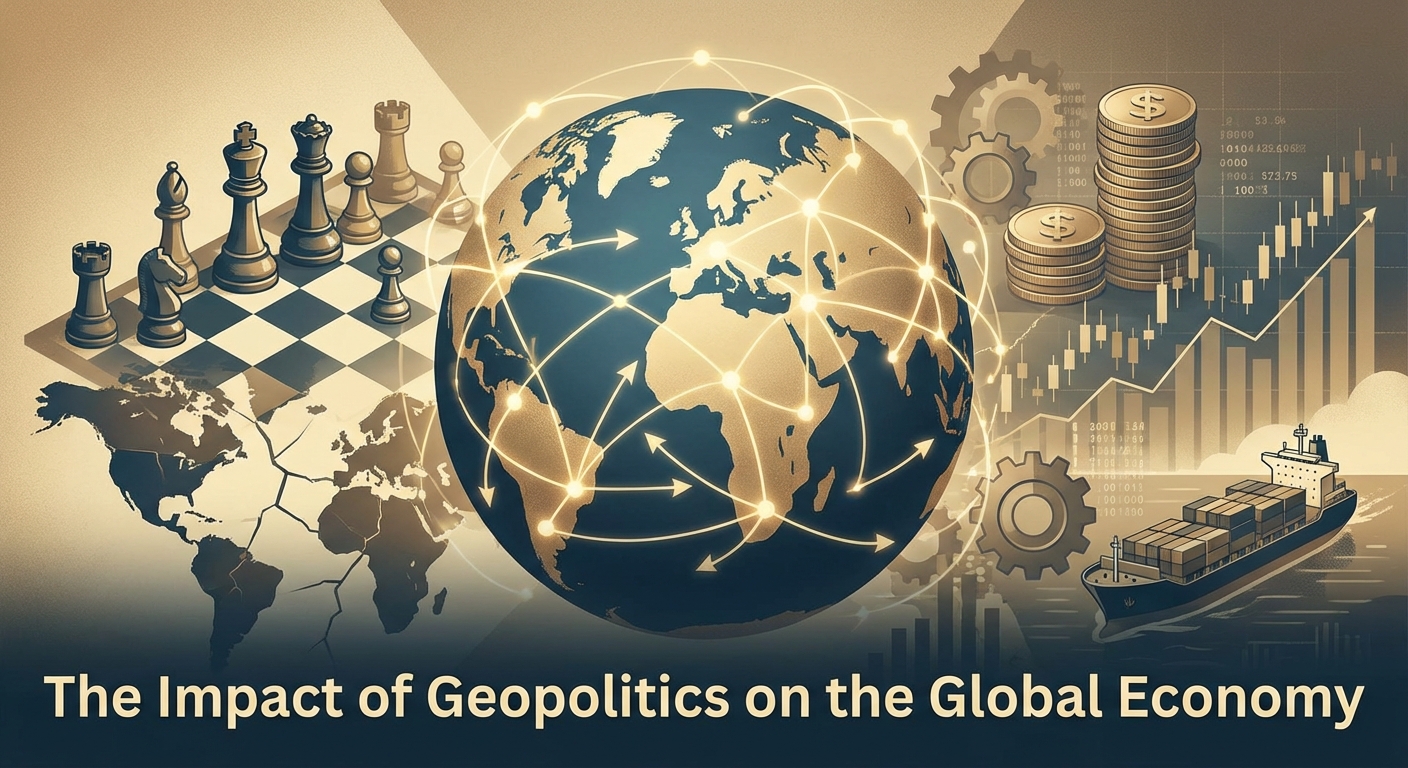
Geopolitical tensions often center on resources: oil, rare earth minerals, agricultural products, semiconductors.
Control over these resources translates to economic leverage.
Energy markets provide the clearest examples. Military conflicts in oil-producing regions send prices soaring. Pipeline disputes affect natural gas availability. Political decisions about production quotas influence global inflation rates.
The semiconductor shortage that began in 2020 had geopolitical dimensions. Taiwan produces the majority of advanced chips. Any military tension in the Taiwan Strait sends shockwaves through technology supply chains.
Rare earth minerals present another case study. One country controls approximately 70% of global production. This concentration creates vulnerability for industries from smartphones to electric vehicles to defense systems.
Resource dependency creates strategic vulnerability. Companies that rely on single-source suppliers for critical materials face existential risks when geopolitical winds shift. Diversification isn’t just good practice anymore. It’s a survival strategy.
Smart businesses map their supply chains to identify geopolitical chokepoints. They ask hard questions: What happens if this port closes? What if this country restricts exports? What if this trade route becomes contested?
Investment flows follow stability
Capital moves toward stability and away from uncertainty.
When geopolitical risks rise in one region, investment capital flows elsewhere. This movement affects everything from real estate prices to stock valuations to startup funding.
Emerging markets face particular challenges. A coup attempt or constitutional crisis can trigger capital flight within hours. Foreign investors sell positions. Currency reserves deplete. Economic growth stalls.
Developed economies aren’t immune. Brexit created years of investment uncertainty in the United Kingdom. Companies delayed expansion plans. Some relocated headquarters. The long-term economic effects continue unfolding.
Foreign direct investment decisions incorporate geopolitical risk assessments. Manufacturing companies evaluate not just labor costs and infrastructure, but political stability and rule of law. A factory represents a 20-year commitment. Political risk can turn that investment into a stranded asset.
The rise of environmental, social, and governance investing adds another layer. Geopolitical events that threaten human rights or environmental standards trigger divestment campaigns. These campaigns affect stock prices and borrowing costs.
Policy responses create new economic realities
Governments respond to geopolitical threats with policy changes. These policies reshape economic landscapes.
Defense spending increases divert resources from other priorities. A country that boosts military budgets by 2% of GDP redirects funds from infrastructure, education, or healthcare. These choices have long-term growth implications.
Industrial policy makes comebacks during geopolitical tension. Governments subsidize domestic production of strategic goods. They restrict foreign investment in sensitive sectors. They require local content in government procurement.
These policies create opportunities for some businesses while constraining others:
- Defense contractors see revenue growth
- Domestic manufacturers gain protection from foreign competition
- Export-oriented companies face new barriers
- Multinational corporations navigate conflicting requirements
Tax policy becomes a geopolitical tool. Countries compete to attract businesses relocating from unstable regions. They offer incentives for reshoring manufacturing. They create special economic zones with favorable treatment.
The global minimum tax agreement represents a policy response to tax competition. Its implementation faces geopolitical obstacles as countries balance revenue needs against competitiveness concerns.
Information and cyber dimensions
Modern geopolitical conflict includes information warfare and cyber attacks.
These dimensions create economic costs that traditional metrics struggle to capture.
A successful cyber attack on critical infrastructure can halt production, compromise customer data, or disrupt financial systems. The 2021 pipeline ransomware attack caused fuel shortages and panic buying across an entire region.
Companies now budget for cybersecurity as a geopolitical necessity. They hire threat intelligence teams. They purchase cyber insurance. They conduct regular penetration testing. These costs didn’t exist at this scale a decade ago.
Information operations affect market confidence. Disinformation campaigns can trigger bank runs or stock selloffs. Deepfakes and manipulated content create new forms of reputational risk.
Social media amplifies geopolitical tensions. A minor diplomatic incident can escalate through viral posts. Consumer boycotts organized online can affect quarterly earnings.
Businesses operating across borders navigate different information environments. Content acceptable in one jurisdiction violates laws in another. Platform companies face impossible choices about content moderation during international crises.
Regional integration as a response
Geopolitical fragmentation drives regional economic integration.
Countries that feel threatened by global instability strengthen ties with neighbors. They create regional trade agreements. They develop payment systems independent of global networks. They coordinate industrial policies.
The growth of regional trading blocs creates both opportunities and complications. A business can gain preferential access to a large market by locating production within the bloc. But serving customers outside the bloc becomes more expensive.
Rules of origin requirements grow more complex. A product might need 60% local content to qualify for preferential treatment. Supply chain managers optimize for regulatory requirements rather than pure efficiency.
Regional development banks and investment funds channel capital within geographic areas. They finance infrastructure that connects member countries. These investments create new trade corridors and shift economic gravity.
Currency arrangements evolve. Some regions discuss common currencies or currency swaps that reduce dollar dependence. These arrangements remain experimental but signal changing economic architecture.
Corporate strategy in a geopolitical age
Forward-thinking companies integrate geopolitical analysis into strategic planning.
They create scenario plans for different geopolitical futures. What if trade blocs harden? What if conflicts escalate? What if new alliances form?
Risk committees include geopolitical experts alongside financial and operational specialists. Board discussions address political developments, not just quarterly results.
Some companies appoint chief geopolitical officers. These executives monitor global developments and translate them into business implications. They work across departments to ensure coordinated responses.
Diversification becomes a strategic imperative. Companies that concentrated operations in low-cost regions now spread production across multiple countries. The efficiency gains from concentration don’t justify the concentration risk.
Flexibility commands a premium. Companies design supply chains that can shift quickly. They maintain relationships with multiple suppliers even when using only one. They keep backup plans ready for activation.
Stakeholder engagement expands beyond traditional boundaries. Companies cultivate relationships with government officials, international organizations, and civil society groups. These relationships provide early warning of policy changes and help shape regulatory outcomes.
Making sense of constant change
Geopolitical forces will continue reshaping the global economy. The pace of change may accelerate as technology enables faster information flow and more integrated markets.
Business professionals who develop geopolitical literacy gain competitive advantage. They see connections others miss. They anticipate disruptions before they arrive. They position their organizations to thrive amid uncertainty.
Start by identifying your organization’s geopolitical exposure. Map supply chains to political risk. Assess revenue concentration by region. Evaluate regulatory dependencies. This analysis reveals vulnerabilities and opportunities.
Build monitoring systems that track relevant developments. You don’t need to follow every international news story. Focus on the geographies, commodities, and policy areas that matter for your business.
Create response playbooks for likely scenarios. When a geopolitical event occurs, you’ll have a starting point rather than beginning from zero. These playbooks should assign responsibilities, establish communication protocols, and outline decision criteria.
The relationship between geopolitics and economics grows tighter each year. Understanding how political events translate into market movements, policy changes, and competitive dynamics isn’t optional anymore. It’s fundamental to effective decision making in an interconnected world.