

Taking your startup beyond borders sounds exciting until you face the reality of foreign regulations, cultural barriers, and resource constraints. The difference between successful international expansion and costly failure often comes down to preparation and strategic execution.
Successful startup international expansion requires systematic market validation, choosing the right entry mode, building local compliance infrastructure, and adapting your product for cultural fit. Founders who prioritize regulatory readiness and test assumptions before full commitment achieve higher success rates than those who rush into new territories without proper groundwork and local partnerships.
Why most startups fail at international expansion
About 70% of startups that attempt international expansion fail within the first two years. The reasons are predictable.
They underestimate regulatory complexity. They assume their home market success will translate directly. They run out of cash before gaining traction.
The startups that succeed treat international expansion as a distinct business challenge, not just a geographic extension. They validate demand before committing resources. They build compliance into their foundation rather than treating it as an afterthought.
Your expansion strategy needs to address three core areas: market selection, entry execution, and operational infrastructure. Skip any one of these and you risk joining the failure statistics.
Selecting your first international market
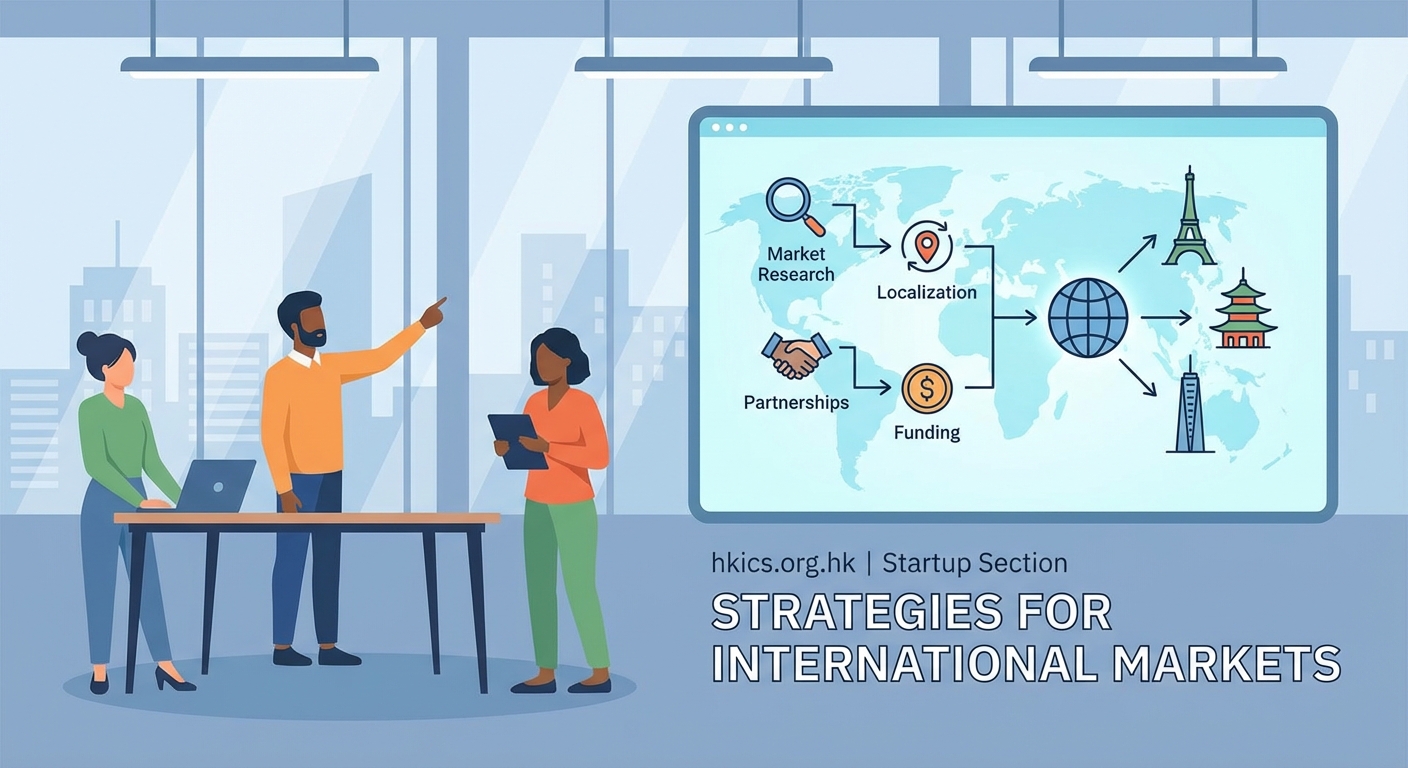
Not all markets deserve equal consideration. Your choice should balance opportunity size with execution feasibility.
Start by identifying markets where your value proposition solves an urgent problem. Look for regulatory environments that won’t drain your resources. Assess whether you can realistically serve customers there with your current team and budget.
Consider these factors when evaluating potential markets:
- Market size and growth trajectory for your specific solution
- Regulatory barriers and compliance costs for foreign companies
- Cultural alignment with your product and business model
- Existing competition and market saturation levels
- Language requirements and localization complexity
- Payment infrastructure and currency considerations
- Talent availability for local hiring needs
- Geographic proximity and time zone overlap with headquarters
Create a scoring matrix for your top five markets. Weight each factor based on your startup’s specific constraints and strengths.
Many founders choose markets based on vanity metrics or personal preferences. The United States attracts attention because of its size. European markets appeal because of their sophistication. Asian markets tempt with their growth rates.
But the best first market is often the one where you can achieve profitability fastest with the least resource drain. A smaller market with lower barriers might serve you better than a massive market that requires years of investment.
Four market entry strategies for startups
Your entry mode determines your speed, cost, and control level. Each approach carries distinct tradeoffs.
| Entry Strategy | Speed to Market | Capital Required | Control Level | Best For |
|---|---|---|---|---|
| Direct export | Fast | Low | High | Digital products, services |
| Local partnership | Medium | Medium | Medium | Physical goods, regulated sectors |
| Subsidiary formation | Slow | High | High | Long-term commitment markets |
| Acquisition | Fast | Very High | High | Mature markets with targets |
Direct export and remote operations
This approach works best for software, digital services, and products that ship easily across borders. You serve international customers from your home base without establishing a legal entity abroad.
The advantages are speed and capital efficiency. You can test market demand without major commitments. Your team stays centralized, making coordination simpler.
The limitations become apparent as you scale. Some customers prefer buying from local entities. Payment processing gets complicated. Tax obligations multiply. Certain regulated industries require local presence.
Use this approach for initial validation, then transition to a more permanent structure once you prove demand.
Partnerships and distribution agreements
Partnering with established local companies gives you market access without building infrastructure from scratch. Your partner handles distribution, customer service, and regulatory compliance.
This works particularly well in markets with complex regulations or strong local preferences. Your partner brings relationships and market knowledge you couldn’t develop quickly on your own.
The challenge is finding the right partner and maintaining alignment. Your interests won’t always match. Revenue sharing reduces your margins. You sacrifice some control over customer experience.
Structure partnership agreements with clear performance metrics and exit clauses. Treat partner selection as seriously as hiring a senior executive.
Establishing a local subsidiary
Forming a legal entity in your target market signals long-term commitment. It enables you to hire locally, sign contracts as a domestic company, and build lasting customer relationships.
This approach requires significant upfront investment. You need to understand local corporate law, establish banking relationships, and build administrative infrastructure. Ongoing compliance obligations demand attention and resources.
But for markets where you plan to build substantial operations, a subsidiary provides the strongest foundation. Customers trust you more. Hiring becomes easier. You gain access to local funding and incentives.
Plan for three to six months from decision to operational subsidiary, depending on the jurisdiction. Budget for legal fees, registration costs, and ongoing compliance expenses.
Strategic acquisitions
Buying an existing company in your target market gives you instant presence, customers, and team. This accelerates entry but requires substantial capital and integration capability.
Most startups lack the resources for this approach initially. But as you grow and raise later-stage funding, acquisition becomes a viable strategy for entering additional markets.
The integration challenge often exceeds the acquisition challenge. Cultural differences, system incompatibilities, and team friction can destroy value quickly.
Building your international expansion roadmap
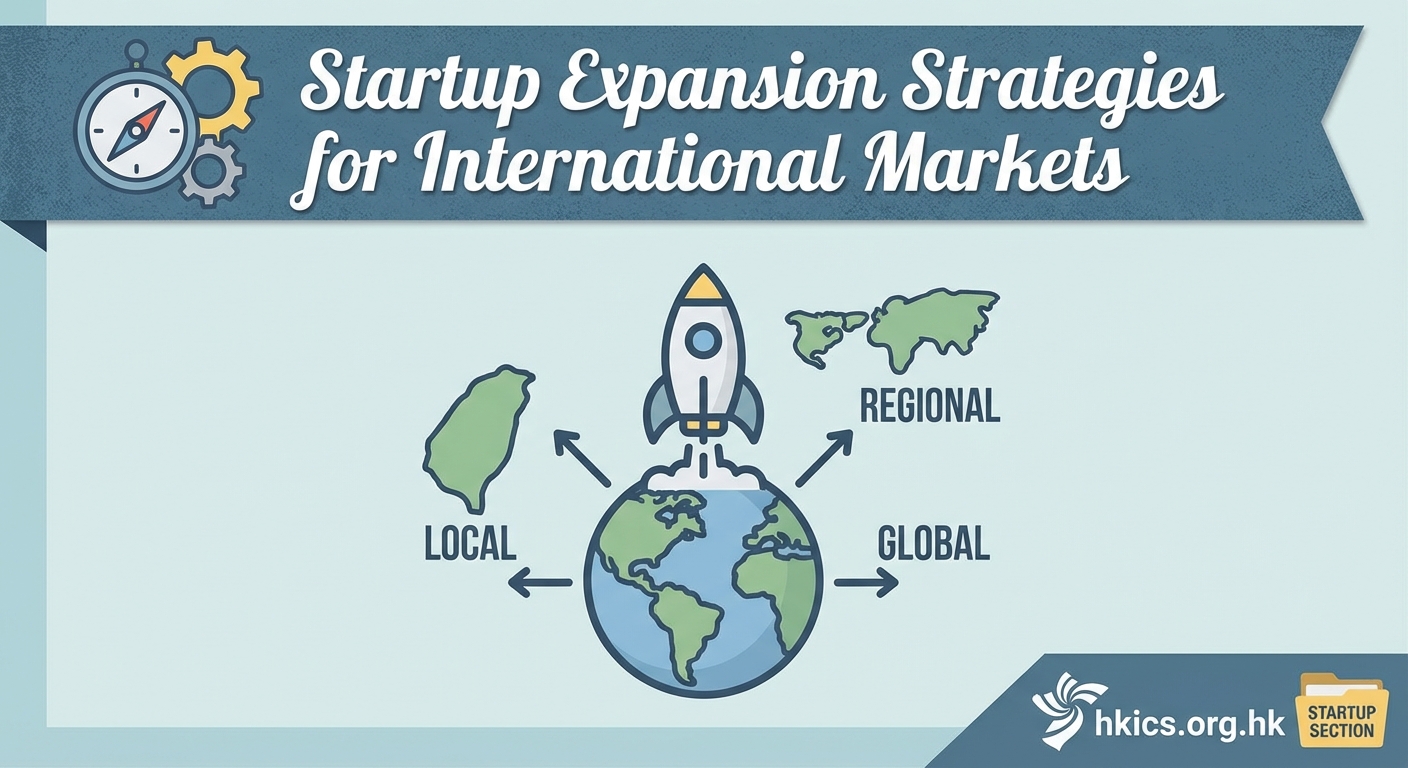
Successful expansion follows a systematic process, not random opportunity chasing.
- Validate market demand through customer interviews and small-scale testing before committing major resources.
- Establish legal and compliance infrastructure with local counsel who understands startup needs and timelines.
- Adapt your product and messaging for cultural fit, going beyond simple translation to address local preferences.
- Build a local team starting with one strong country manager who can recruit and lead effectively.
- Create localized marketing and sales processes that reflect how customers in that market prefer to buy.
- Establish metrics and governance to monitor performance and catch problems before they escalate.
Each step builds on the previous one. Rushing ahead without completing foundational work creates problems that become expensive to fix later.
“The biggest mistake I see founders make is treating international expansion like flipping a switch. They announce they’re ‘going global’ without understanding that each market requires the same careful validation and execution as launching your original product. Treat each new country as a separate startup within your company.” — Sarah Chen, three-time founder with successful exits in Asia and Europe
Regulatory compliance and corporate governance
Compliance isn’t exciting, but it protects your business and enables sustainable growth. Different jurisdictions have vastly different requirements.
Your compliance obligations typically include:
- Corporate registration and ongoing filings
- Tax registration and reporting in multiple jurisdictions
- Employment law compliance for local hiring
- Data protection and privacy regulations
- Industry-specific licensing requirements
- Intellectual property protection
- Contract law and consumer protection rules
Build relationships with local legal and accounting professionals before you need them urgently. The cost of good advice is far less than the cost of fixing compliance failures.
Many jurisdictions require a local company secretary or similar role to maintain corporate records and ensure regulatory compliance. This isn’t optional overhead. It’s essential infrastructure that protects your ability to operate.
Consider using a professional corporate services provider for your first few markets. They handle the administrative complexity while you focus on building the business. As you scale, you can bring some functions in-house.
Adapting your product for international markets
Localization goes far deeper than translating your website. True adaptation considers how cultural differences affect product usage, purchasing decisions, and customer expectations.
Language translation is just the starting point. You also need to consider:
- Date and time formats that vary by region
- Currency display and payment method preferences
- Color symbolism and design conventions
- Feature priorities that differ by market
- Customer support expectations and channels
- Legal requirements for product features
- Units of measurement and local standards
Some markets will require significant product changes. Others need only surface-level adjustments. Invest time understanding these differences before launch rather than reacting to customer complaints afterward.
Test your localized product with real users in the target market. What seems clear to you might confuse local customers. Cultural assumptions hide in unexpected places.
Financing international expansion
Expansion consumes cash faster than most founders expect. You need runway not just for the expansion itself, but for the inevitable adjustments and longer-than-planned path to profitability.
Common funding sources for international expansion include:
- Venture capital from investors with international portfolio experience
- Strategic investors or corporate venture arms with presence in target markets
- Government grants and incentives for companies entering specific regions
- Revenue-based financing using existing cash flow to fund growth
- Local debt facilities once you establish banking relationships
Each funding source comes with different expectations and constraints. Venture capital might push for aggressive expansion. Grants often come with strings attached. Debt requires predictable revenue.
Match your funding strategy to your expansion timeline and risk tolerance. Conservative expansion funded by revenue takes longer but maintains control. Aggressive expansion funded by equity can capture market share faster but dilutes ownership.
Common expansion mistakes and how to avoid them
Learning from others’ failures saves you time and money.
Expanding too early. Many startups go international before achieving strong product-market fit at home. They assume international growth will solve fundamental product problems. It won’t. Fix your core business first.
Underestimating compliance costs. Legal, accounting, and administrative expenses in new markets often run two to three times initial estimates. Budget conservatively and maintain reserves for unexpected requirements.
Hiring the wrong country manager. Your first local hire sets the tone for everything that follows. A weak country manager wastes months and resources. Take time to find someone with relevant market experience, startup adaptability, and cultural fit with your company.
Neglecting existing markets. International expansion often distracts leadership from core markets. Revenue in your home market stalls while you chase new opportunities. Maintain focus on your foundation while building new markets.
Copying your home market playbook. What works in one market rarely transfers perfectly to another. Customer acquisition costs differ. Sales cycles vary. Competition responds differently. Adapt your approach based on local realities.
Moving too slowly. While premature expansion is dangerous, excessive caution also carries costs. Competitors might enter first. Market conditions might shift. Find the balance between careful planning and decisive action.
Measuring expansion success
You need clear metrics to know whether your expansion is working. Vanity metrics like total international users matter less than unit economics and path to profitability.
Track these key indicators for each market:
- Customer acquisition cost compared to home market baseline
- Time to first purchase and sales cycle length
- Customer lifetime value in local currency
- Monthly recurring revenue growth rate
- Churn rate and retention cohorts
- Gross margin after localization costs
- Months to break even at current growth rate
Set expectations before launch. Not every market will perform identically. Some will exceed projections while others disappoint. The goal is portfolio performance across markets, not perfection in each one.
Review metrics monthly with your leadership team. Quarterly reviews are too infrequent for fast-moving startups. Weekly reviews create noise without insight. Monthly cadence balances responsiveness with strategic perspective.
Building a sustainable international operation
Short-term expansion success means nothing if you can’t maintain operations profitably over time.
Create systems and processes that scale across markets. Standardize where possible while allowing local flexibility where necessary. Document everything so knowledge doesn’t live only in people’s heads.
Invest in communication infrastructure that keeps distributed teams aligned. Time zone differences make synchronous communication harder. You need strong asynchronous practices, clear documentation, and regular in-person gatherings.
Develop local leadership rather than relying on headquarters for every decision. Empower country managers to make choices appropriate for their markets. Set boundaries and guidelines, then trust your team.
Plan for the reality that some markets won’t work out. Build exit strategies into your market entry plans. Know the costs and timeline for winding down operations if needed. Not every expansion succeeds, and that’s okay if you learn and adjust.
Making international expansion work for your startup
International expansion offers tremendous growth potential for startups ready to execute thoughtfully. The markets beyond your home base contain customers eager for solutions to their problems.
But expansion demands respect for complexity. Different regulations, cultures, and business practices create challenges that money and enthusiasm alone can’t overcome. You need systematic planning, local expertise, and realistic expectations about timelines and costs.
Start with one market. Validate your assumptions. Build proper infrastructure. Learn what works and what needs adjustment. Then apply those lessons to your next market.
The startups that scale internationally successfully treat each new market as a learning opportunity, not just a revenue target. They invest in understanding local needs. They build compliance into their foundation. They hire strong local leaders and trust them to execute.
Your international expansion journey will include setbacks and surprises. Markets that looked promising will disappoint. Unexpected opportunities will emerge. Regulations will change. Competitors will respond.
But with careful planning, strong execution, and willingness to adapt, you can build a truly international business that serves customers across borders and creates lasting value in multiple markets.