
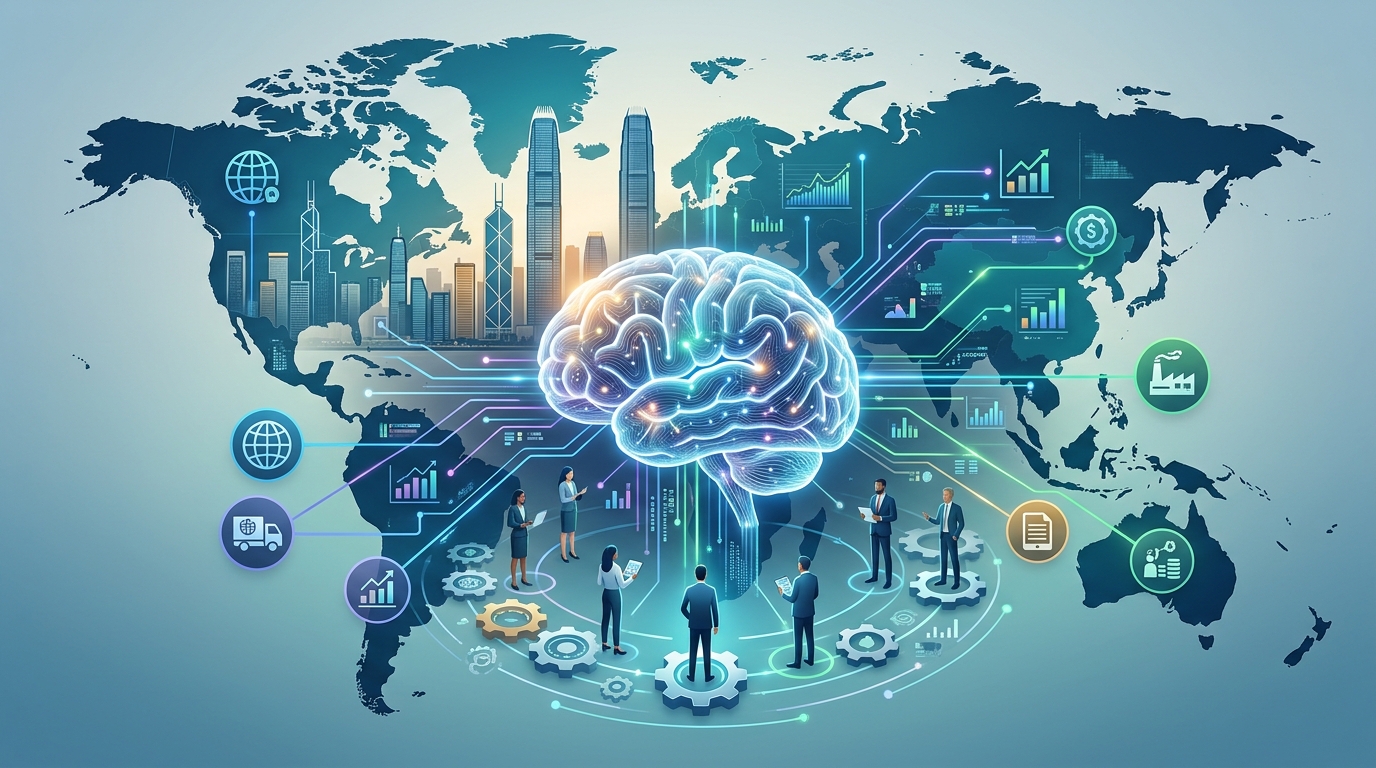
Artificial intelligence has moved from science fiction to the boardroom. Companies across every sector now use AI to automate tasks, predict customer behavior, and make faster decisions. The technology isn’t just for tech giants anymore. Small businesses and multinational corporations alike are finding practical ways to apply machine learning, natural language processing, and predictive analytics to their daily operations.
AI is fundamentally changing how businesses operate by automating routine tasks, analyzing vast amounts of data in seconds, personalizing customer experiences, and enabling predictive decision-making. Companies that integrate AI strategically are seeing measurable improvements in efficiency, cost reduction, and competitive positioning. Understanding these transformations helps executives make informed decisions about where and how to implement AI in their organizations.
Customer service has been completely reimagined
Chatbots and virtual assistants now handle millions of customer interactions every day. These AI-powered tools can answer questions, process returns, and solve problems without human intervention. The result? Customers get help at 3 AM, and support teams focus on complex issues that require human judgment.
Natural language processing has improved dramatically. Modern AI can understand context, detect emotion, and even pick up on sarcasm. This means automated responses feel more natural and less robotic than they did just a few years ago.
Companies are seeing real benefits:
- Response times drop from hours to seconds
- Support costs decrease by 30% or more
- Customer satisfaction scores improve as wait times vanish
- Human agents handle fewer repetitive questions and more meaningful conversations
But the transformation goes beyond just answering questions. AI analyzes customer conversations to identify patterns. If hundreds of people ask about the same product feature, that’s valuable feedback. If complaints spike about a specific issue, the system flags it immediately.
Data analysis happens at unprecedented speed
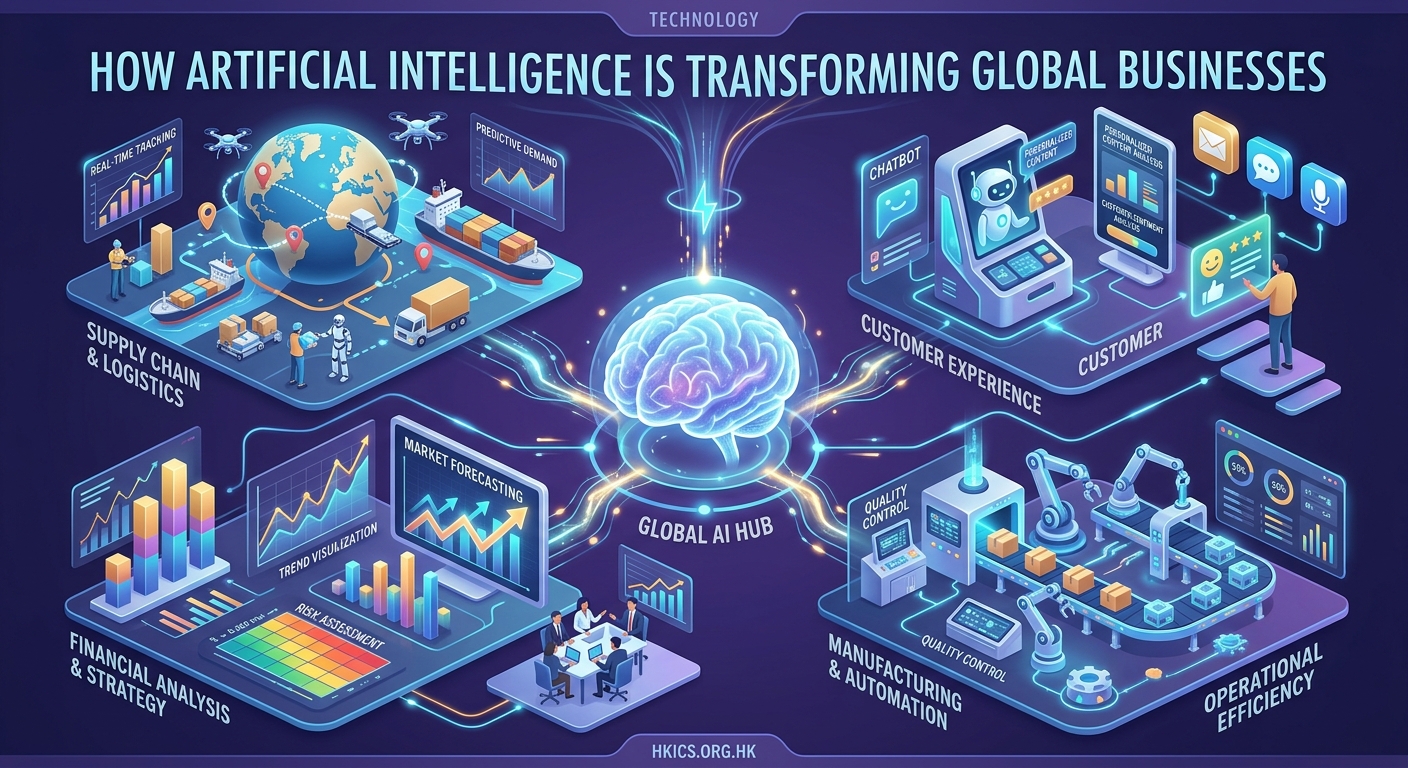
Business executives used to wait days or weeks for market research reports. AI processes the same data in minutes. Machine learning algorithms can analyze customer purchase patterns, market trends, and competitor pricing simultaneously.
This speed changes how decisions get made. Instead of quarterly strategy reviews based on old data, managers can adjust tactics in real time. A retail chain can spot a trending product category and adjust inventory before competitors notice. A financial services firm can identify risk patterns and adjust lending criteria the same day.
The volume of data AI can handle is staggering. Human analysts might review hundreds of customer records. AI systems process millions. They find correlations and patterns that would be impossible to spot manually.
The most successful companies aren’t using AI to replace human judgment. They’re using it to give their people better information faster, so those judgments are more informed and timely.
Marketing and sales have become hyper-personalized
Generic mass marketing is dying. AI enables personalization at scale. Every customer can receive different product recommendations, email content, and pricing based on their behavior and preferences.
E-commerce sites use AI to predict what you’ll buy next. Streaming services suggest shows based on viewing patterns. B2B companies score leads automatically and route them to the right sales representative.
Here’s how AI personalization typically works:
- The system collects data from multiple touchpoints including website visits, email opens, purchase history, and social media interactions.
- Machine learning algorithms identify patterns and segment customers into micro-groups based on behavior rather than simple demographics.
- The AI generates personalized content, offers, and recommendations for each segment or individual customer.
- The system continuously tests and learns, adjusting its approach based on what drives engagement and conversions.
Sales teams benefit too. AI tools can analyze call recordings, identify successful techniques, and suggest talking points. They can predict which prospects are most likely to close and when to follow up. Some systems even draft personalized email responses based on previous successful conversations.
Operations and supply chain management run smoother
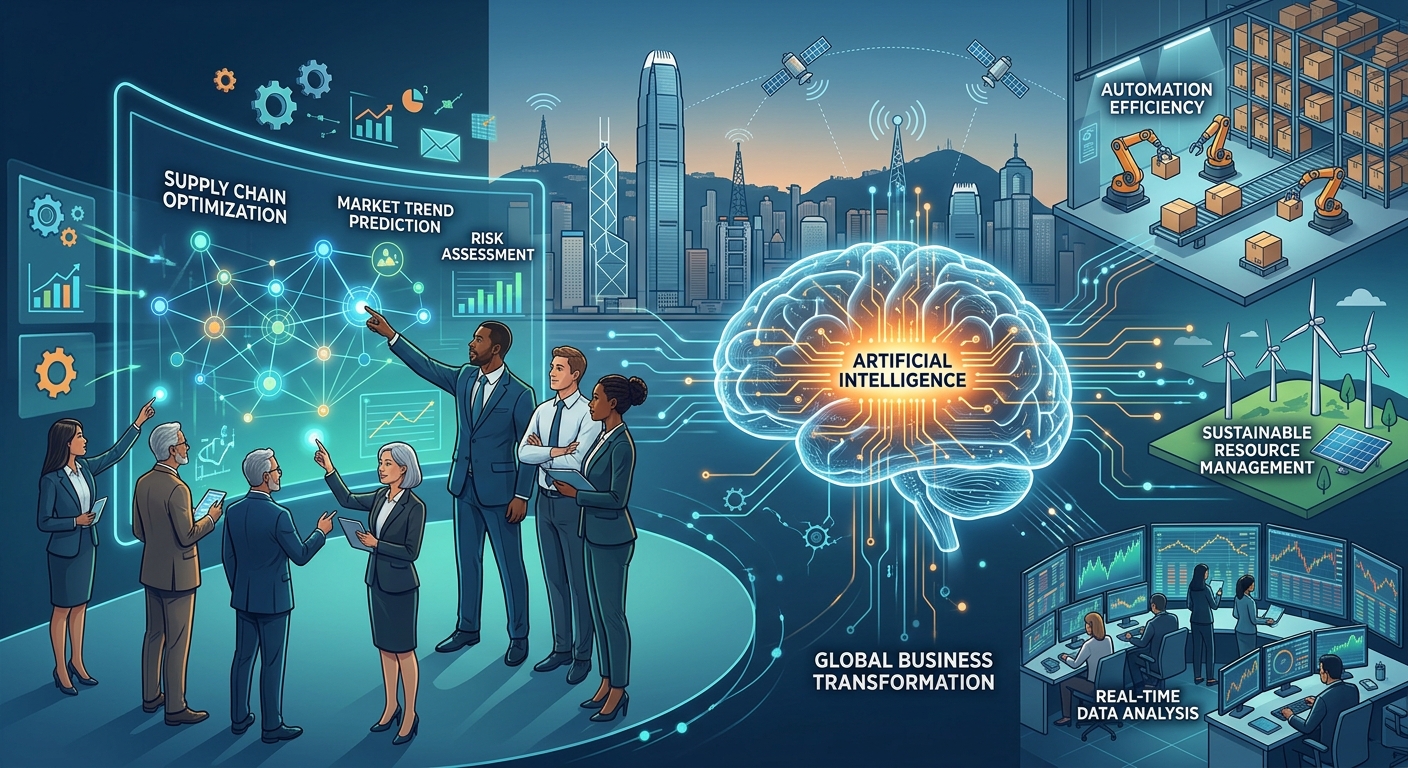
Manufacturing plants use AI to predict when equipment will fail. This prevents costly breakdowns and unplanned downtime. Sensors collect data on temperature, vibration, and performance. Machine learning models spot anomalies that indicate a problem is developing.
Supply chain optimization has reached new levels. AI considers thousands of variables including weather patterns, shipping costs, supplier reliability, and demand forecasts. It suggests the most efficient routes, optimal inventory levels, and best sourcing decisions.
Warehouses are getting smarter. Robots guided by AI navigate aisles, pick products, and pack orders. The systems learn the most efficient paths and adapt when layouts change. Some facilities have reduced order fulfillment time by 50% or more.
Quality control has improved too. Computer vision systems inspect products faster and more consistently than human inspectors. They catch defects that might be missed by the naked eye and flag quality issues before products ship.
Financial operations gain accuracy and insight
Accounting departments use AI to process invoices, match payments, and flag discrepancies. What used to take days of manual review now happens automatically. The technology doesn’t get tired or miss details buried in hundreds of line items.
Fraud detection has become more sophisticated. AI systems learn normal transaction patterns and immediately flag anything unusual. They can spot complex fraud schemes that involve multiple accounts or subtle patterns across time.
Financial forecasting is more accurate. Machine learning models consider economic indicators, seasonal patterns, company performance, and market conditions. They update predictions as new data arrives, giving CFOs a clearer picture of future cash flow and revenue.
Risk management benefits from AI’s ability to model multiple scenarios simultaneously. Companies can stress-test strategies against thousands of possible futures and understand potential outcomes before making major decisions.
| AI Application | Traditional Approach | AI-Enhanced Approach |
|---|---|---|
| Invoice processing | Manual data entry, 3-5 days | Automated extraction, same day |
| Fraud detection | Rule-based flags, high false positives | Pattern learning, 70% fewer false alarms |
| Financial forecasting | Quarterly updates, limited variables | Continuous updates, hundreds of variables |
| Expense categorization | Manual review and coding | Automatic classification, 95%+ accuracy |
Human resources and talent management evolve
Recruiting has changed dramatically. AI screens resumes in seconds, identifying candidates who match job requirements. Some systems can even predict which candidates are most likely to succeed based on patterns from previous hires.
But this raises important considerations. Poorly designed AI can perpetuate bias if it learns from historical data that reflects past discrimination. Smart companies audit their AI systems regularly and ensure human oversight remains part of the process.
Employee engagement tools use AI to analyze survey responses, identify potential retention risks, and suggest interventions. Some platforms can predict which employees might be considering leaving based on behavior patterns and engagement metrics.
Training and development have become more personalized. AI-powered learning platforms adapt content to each employee’s pace, learning style, and knowledge gaps. They recommend courses and resources based on career goals and skill assessments.
Common mistakes companies make with AI implementation
Many organizations rush into AI without clear objectives. They adopt technology because competitors are doing it, not because they’ve identified specific problems to solve. This leads to wasted investment and disappointing results.
Another frequent error is underestimating data requirements. AI models need large amounts of quality data to learn effectively. Companies sometimes discover their data is incomplete, inconsistent, or siloed across systems that don’t communicate.
Ignoring the human element causes problems too. Employees worry that AI will replace them. Without proper communication and training, resistance builds. Successful implementations involve people from the start, showing them how AI makes their jobs easier rather than obsolete.
Here are the most common AI implementation pitfalls:
- Starting with technology instead of business problems
- Underestimating the importance of data quality and quantity
- Failing to secure executive sponsorship and adequate budget
- Neglecting change management and employee training
- Expecting immediate results without allowing time for learning and optimization
- Implementing AI in isolation without integrating it into existing workflows
Governance and compliance get AI assistance
Corporate governance is becoming more complex as regulations multiply. AI helps companies stay compliant by monitoring regulatory changes, flagging potential issues, and automating reporting requirements.
Contract analysis tools can review legal documents in minutes, identifying risky clauses and ensuring consistency with company policies. This is particularly valuable for organizations that manage thousands of supplier agreements or customer contracts.
Board reporting becomes more dynamic. Instead of static presentations, directors can interact with AI-powered dashboards that answer questions and provide deeper analysis on demand. This makes governance more informed and responsive.
Compliance monitoring happens continuously rather than through periodic audits. AI systems watch transactions, communications, and activities in real time, alerting compliance teams to potential violations before they become serious problems.
The competitive landscape shifts
Companies that implement AI effectively are pulling ahead. They respond to market changes faster, serve customers better, and operate more efficiently. The gap between AI adopters and laggards is widening.
But competitive advantage doesn’t come from AI itself. The technology is increasingly accessible. Advantage comes from how companies apply it, the data they feed it, and how well they integrate it into their operations and culture.
First-mover advantage matters less than thoughtful implementation. Some early AI adopters wasted resources on flashy projects that didn’t deliver value. Companies that took time to identify real needs and implement strategically are seeing better returns.
Industry disruption is accelerating. AI enables new business models that weren’t possible before. Subscription services use AI to predict churn and personalize retention offers. Platforms use it to match buyers and sellers more efficiently. Traditional companies face competition from AI-native startups built around these capabilities from day one.
What executives should do now
Start by identifying specific pain points in your organization. Where do bottlenecks occur? What tasks consume excessive time? Which decisions would benefit from better data? These questions point toward practical AI applications.
Build your data foundation. AI is only as good as the data it learns from. Invest in data quality, integration, and governance before rushing into AI projects. This groundwork pays dividends across multiple applications.
Start small and scale what works. Pilot projects let you test AI in controlled environments, learn what works, and build organizational capability. Success with smaller projects builds confidence and support for larger initiatives.
Invest in your people. Training helps employees understand AI and work alongside it effectively. Create roles that combine human judgment with AI insights. The most successful organizations treat AI as a tool that augments human capability rather than replaces it.
Partner with experts when needed. Building AI expertise internally takes time. Strategic partnerships with technology providers, consultants, or academic institutions can accelerate learning and implementation.
Making AI work for your business
The transformation AI brings to business is real and accelerating. Companies across every industry are finding ways to work smarter, serve customers better, and compete more effectively. The technology is no longer experimental or optional for organizations that want to remain competitive.
Success doesn’t require becoming a technology company. It requires identifying where AI can solve real problems, implementing thoughtfully, and continuously learning and adapting. The executives who approach AI with clear objectives, realistic expectations, and commitment to ongoing improvement are the ones seeing meaningful results. Your competitors are already on this path. The question isn’t whether to adopt AI, but how to do it strategically and effectively for your specific business context.