

Corporate boards are no longer asking whether ESG belongs in their strategy. They’re asking how fast they can implement it. The shift happened gradually, then all at once. Investors started demanding transparency. Customers began voting with their wallets. Regulators tightened disclosure requirements. Now, environmental, social, and governance considerations sit at the heart of strategic planning for companies that want to stay competitive.
The importance of ESG in business strategy extends beyond compliance. Companies integrating environmental, social, and governance factors into their core operations see improved risk management, stronger investor relations, better talent acquisition, and enhanced long-term financial performance. Strategic ESG implementation requires clear metrics, executive commitment, and alignment with business objectives to create measurable stakeholder value and competitive advantage in evolving markets.
Why ESG became a strategic priority
The transformation started in boardrooms across Asia and beyond. CFOs noticed institutional investors screening portfolios based on sustainability criteria. Business strategists watched competitors gain market share through transparent governance practices. Corporate executives saw employee retention improve at firms with strong social commitments.
The numbers tell a compelling story. Companies with robust ESG frameworks often secure better financing terms. They face fewer regulatory penalties. They attract top talent more easily. These aren’t abstract benefits. They translate directly to the bottom line.
Climate risks now appear on enterprise risk registers alongside traditional financial threats. Supply chain disruptions from environmental events cost real money. Social issues like labor practices affect brand reputation overnight. Governance failures can wipe out shareholder value in days.
The market rewards preparedness. Firms that anticipated these shifts built resilience into their operations. Those that waited face catch-up costs and skeptical stakeholders.
The three pillars that drive business value
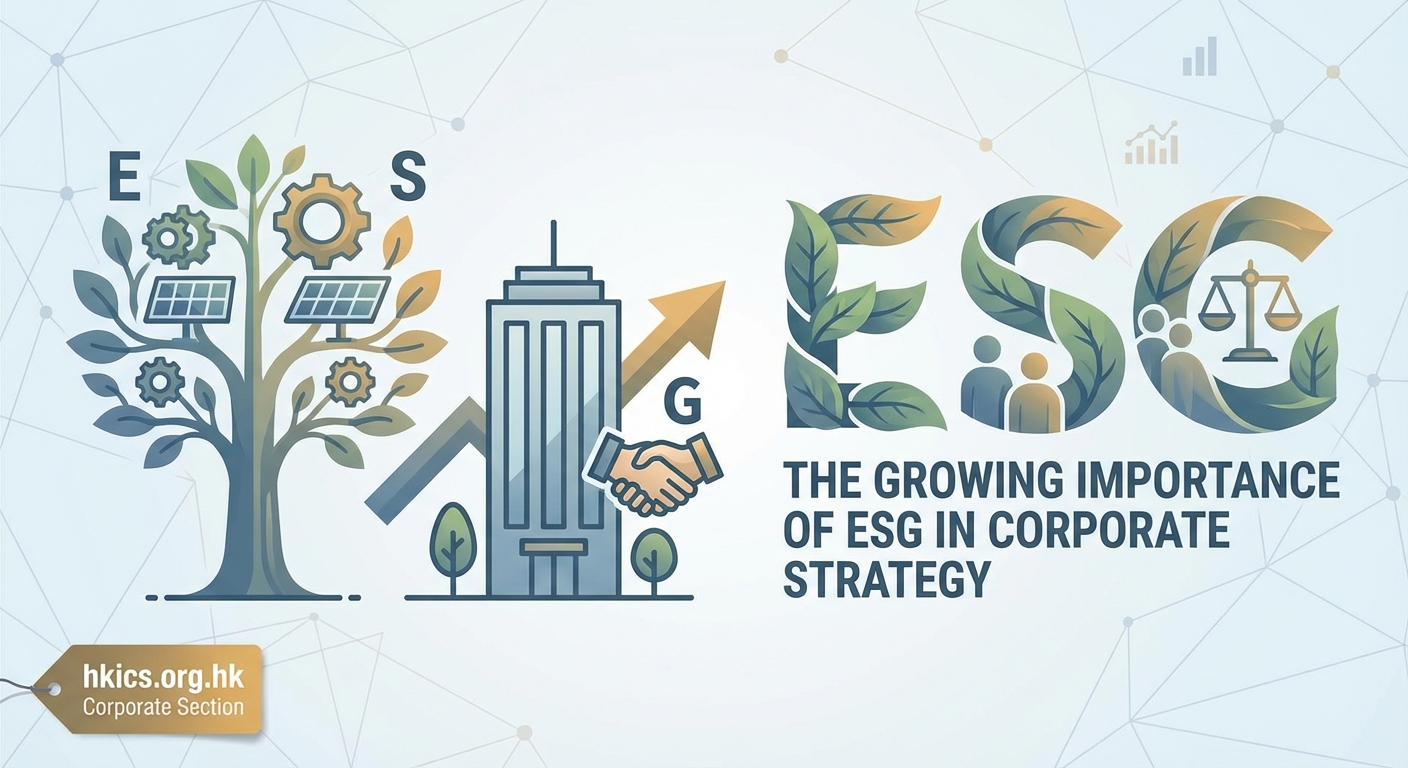
Environmental factors go beyond carbon footprints. They include water usage, waste management, energy efficiency, and biodiversity impact. Companies measure these elements because they affect operational costs and regulatory compliance.
A manufacturing firm reducing energy consumption saves money immediately. It also positions itself favorably as energy prices rise and carbon taxes expand. The environmental pillar creates both short-term savings and long-term strategic advantages.
Social considerations cover labor practices, community relations, diversity policies, and customer welfare. These factors influence employee productivity, brand loyalty, and market access. A company with strong social practices attracts better candidates and retains them longer.
Think about talent acquisition costs. Replacing experienced employees drains resources. Firms known for fair treatment and inclusive cultures spend less on recruitment and training. The social pillar directly impacts human capital efficiency.
Governance encompasses board structure, executive compensation, shareholder rights, and ethical standards. Strong governance reduces fraud risk, improves decision quality, and builds investor confidence. It creates the framework for sustainable value creation.
Poor governance destroys companies. Scandals erase decades of brand building. Robust governance systems prevent catastrophic failures and enable better strategic execution.
Building ESG into strategic planning
Integration starts with assessment. Companies need baseline measurements before setting targets. This means auditing current practices across all three pillars.
- Conduct a materiality assessment to identify which ESG factors most affect your business model and stakeholder expectations.
- Establish measurable targets with clear timelines, assigning responsibility to specific executives or departments.
- Integrate ESG metrics into performance evaluations and compensation structures to ensure accountability.
- Report progress transparently through regular disclosures that meet investor and regulatory requirements.
- Review and adjust strategies annually based on performance data and evolving stakeholder priorities.
The process requires executive commitment. ESG cannot live in a sustainability department alone. It needs board-level oversight and integration into core business functions.
CFOs should incorporate ESG metrics into financial planning. Business strategists must consider ESG factors when evaluating new markets or products. Operations teams need ESG performance indicators alongside traditional efficiency measures.
ESG integration works best when it aligns with existing business objectives rather than competing with them. The most successful implementations identify where environmental, social, and governance improvements enhance financial performance and strategic positioning.
Measuring what matters

Metrics separate serious ESG programs from public relations exercises. Companies need quantifiable indicators that track progress and demonstrate impact.
| ESG Pillar | Example Metrics | Business Impact |
|---|---|---|
| Environmental | Carbon emissions per unit produced, water recycled percentage | Lower operating costs, reduced regulatory risk |
| Social | Employee turnover rate, diversity in leadership roles | Better talent retention, broader market perspective |
| Governance | Board independence percentage, ethics violations reported | Improved decision quality, reduced legal exposure |
Different industries prioritize different metrics. A technology company might focus on data privacy and energy efficiency. A manufacturing firm might emphasize workplace safety and emissions reduction. A financial services company might track lending practices and governance transparency.
The key is selecting metrics that reflect actual business risks and opportunities. Generic checklists miss the point. Materiality assessments help identify which factors genuinely affect your operations and stakeholder relationships.
Reporting frameworks provide structure. Standards like GRI, SASB, and TCFD offer templates for disclosure. Many companies use multiple frameworks to meet different stakeholder needs.
Consistency matters more than perfection. Stakeholders value reliable year-over-year data that shows genuine progress. They can spot greenwashing quickly.
Overcoming implementation challenges
Resistance often comes from perceived trade-offs. Some executives worry ESG initiatives will hurt short-term profits. Others question whether stakeholders truly care about these factors.
The evidence contradicts these concerns. Studies consistently show that companies with strong ESG performance often deliver competitive financial returns. The relationship isn’t always immediate, but the long-term correlation is clear.
Data collection poses practical challenges. Many companies lack systems to track ESG metrics across global operations. Building these capabilities requires investment in technology and training.
Start small and scale. Pilot programs in specific divisions can demonstrate value before company-wide rollouts. Success stories from early adopters help convince skeptics.
Cultural change takes time. Employees need to understand how ESG connects to their daily work. Training programs and internal communications should clarify these links.
Common obstacles and solutions:
- Limited resources: Prioritize high-impact initiatives that align with existing business goals rather than attempting comprehensive transformation immediately.
- Data gaps: Begin with available information and systematically expand measurement capabilities as systems improve.
- Stakeholder skepticism: Use concrete examples and financial data to demonstrate how ESG improvements enhance business performance.
- Regulatory complexity: Focus on material factors first, then expand reporting as capabilities mature.
- Competing priorities: Frame ESG as risk management and value creation rather than separate initiatives competing for attention.
The investor perspective
Institutional investors increasingly screen investments using ESG criteria. Asset managers face pressure from their own clients to demonstrate responsible investing. This creates demand for reliable ESG data from portfolio companies.
Poor ESG performance can limit access to capital. Some funds exclude companies below certain thresholds. Others charge higher rates to offset perceived risks.
Strong ESG performance opens funding opportunities. Green bonds and sustainability-linked loans offer favorable terms for companies meeting specific criteria. These financing options continue expanding.
Shareholder engagement has intensified. Investors ask detailed questions about climate strategy, diversity metrics, and governance practices. Annual meetings now feature ESG resolutions regularly.
Companies that communicate clearly about ESG performance build stronger investor relationships. Transparency reduces uncertainty and demonstrates management quality.
Regulatory momentum across markets
Hong Kong, Singapore, the European Union, and other jurisdictions have tightened ESG disclosure requirements. Mandatory climate reporting is becoming standard. Social and governance disclosures are expanding.
Compliance costs are real but manageable with proper planning. Companies that built ESG capabilities early face lower adaptation costs as regulations evolve.
The regulatory landscape will continue changing. Forward-looking companies anticipate requirements rather than reacting to them. This proactive approach reduces compliance costs and creates competitive advantages.
Cross-border operations face multiple regulatory frameworks. Companies need systems flexible enough to meet varying requirements across jurisdictions.
Competitive advantages from ESG leadership
First movers gain market position. Companies known for sustainability attract customers willing to pay premium prices. Brand value increases measurably.
Supply chain partnerships favor ESG leaders. Major corporations increasingly require suppliers to meet environmental and social standards. Companies with strong ESG practices access more business opportunities.
Talent markets reward good employers. Skilled professionals research company cultures before accepting offers. ESG performance affects recruitment success, especially for younger workers who prioritize purpose alongside compensation.
Innovation often emerges from ESG initiatives. Efforts to reduce waste lead to process improvements. Energy efficiency projects cut costs while meeting environmental goals. Social programs build community relationships that open new markets.
Risk management improves systematically. Companies tracking ESG factors identify threats earlier. They build resilience against disruptions from climate events, social unrest, or governance failures.
Practical steps for CFOs and strategists
Financial planning should incorporate ESG scenarios. Climate risks affect asset values and operating costs. Social factors influence labor expenses and market access. Governance quality affects capital costs.
Capital allocation decisions need ESG analysis alongside traditional financial metrics. Investments that improve ESG performance while generating returns deserve priority.
Strategic planning sessions should include ESG reviews. New market entries require social and environmental assessments. Product development needs governance oversight to prevent ethical issues.
Performance dashboards should display ESG metrics alongside financial indicators. Executives need integrated views of business performance that include all material factors.
Stakeholder engagement requires regular communication. Investors, employees, customers, and communities all have legitimate interests in ESG performance. Transparent dialogue builds trust and identifies improvement opportunities.
Integration across business functions
Operations teams implement many ESG improvements. Energy efficiency, waste reduction, and workplace safety all fall within operational scope. These teams need clear targets and resources to achieve them.
Human resources drives social performance. Diversity initiatives, training programs, and employee welfare depend on HR leadership. Linking compensation to ESG metrics reinforces importance.
Procurement affects supply chain ESG performance. Supplier standards and auditing processes ensure upstream practices align with company commitments. Purchasing decisions shape environmental and social impacts beyond direct operations.
Marketing and communications tell the ESG story. Authentic narratives based on real performance resonate with customers and investors. Greenwashing backfires spectacularly.
Legal and compliance teams navigate regulatory requirements. They ensure disclosures meet standards and identify emerging obligations. Strong governance starts with robust compliance functions.
Making ESG work for your organization
The importance of ESG in business strategy isn’t theoretical anymore. It’s practical reality affecting competitiveness, profitability, and long-term viability. Companies that treat ESG as compliance checkbox miss the strategic opportunity.
Successful implementation requires leadership commitment, clear metrics, and integration across functions. It means aligning ESG goals with business objectives so they reinforce rather than compete with each other.
Start where you are. Assess current performance honestly. Identify material factors for your industry and stakeholders. Set realistic targets and measure progress consistently. Communicate transparently about both successes and challenges.
The companies thriving in this environment see ESG not as burden but as framework for better decision making. They use environmental, social, and governance factors to identify risks earlier, spot opportunities faster, and build resilience systematically.
Your stakeholders are watching. Investors are asking questions. Customers are making choices. Employees are evaluating options. Regulators are setting standards. The strategic question isn’t whether to engage with ESG. It’s how quickly you can make it central to your business model.