
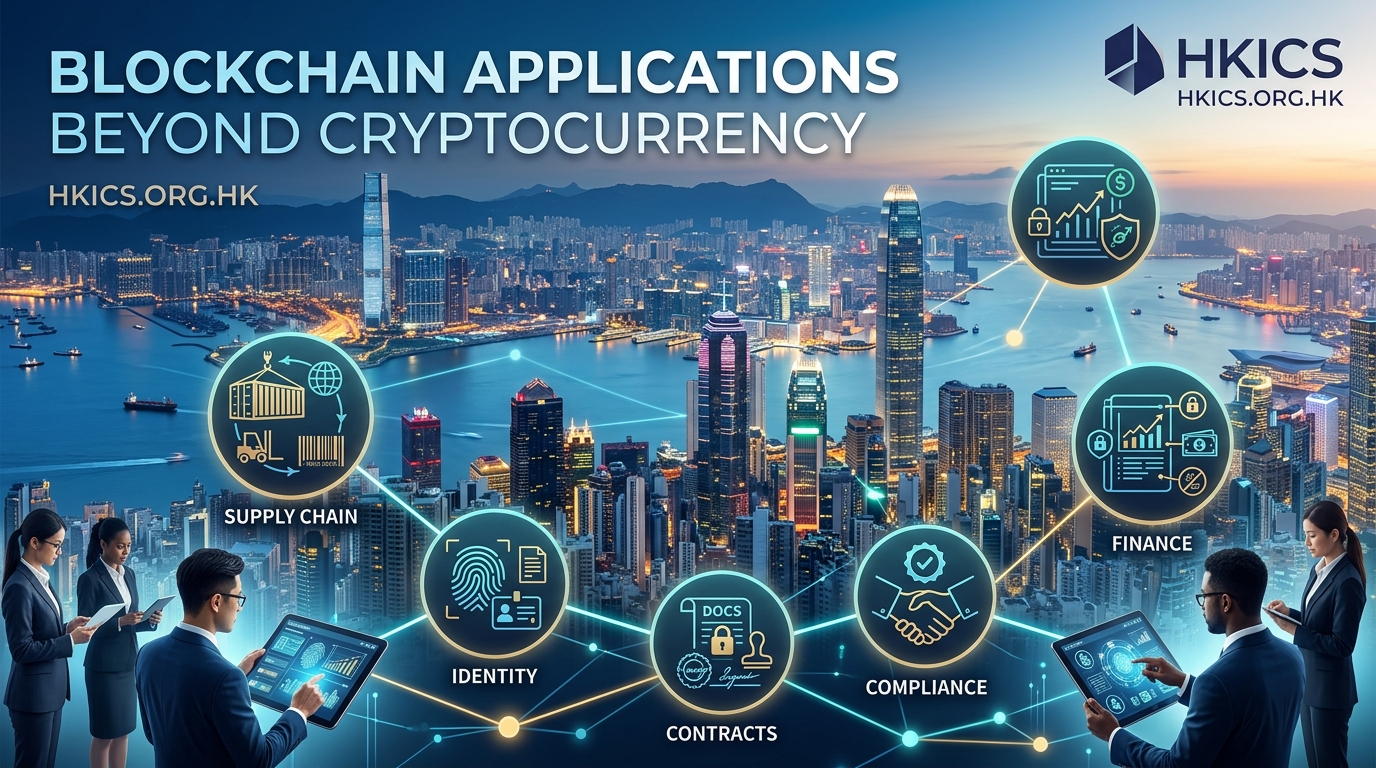
Blockchain technology has become synonymous with Bitcoin and other digital currencies, but that association barely scratches the surface of what this innovation can do. Organizations worldwide are deploying blockchain solutions to streamline supply chains, secure medical records, verify academic credentials, and even transform how we vote in elections. The technology’s core strengths (transparency, immutability, and decentralization) make it valuable far beyond the financial sector.
Blockchain applications beyond cryptocurrency include supply chain tracking, healthcare data management, digital identity verification, smart contracts for legal agreements, intellectual property protection, and secure voting systems. These use cases leverage blockchain’s transparency and immutability to solve real business problems across industries, from manufacturing to education to government services, creating tamper-proof records that multiple parties can trust without intermediaries.
Understanding blockchain outside the crypto bubble
Most people encounter blockchain through news about Bitcoin price swings or NFT sales. But the underlying technology solves a fundamental problem: how do you create a shared record that everyone can trust without needing a central authority?
A blockchain is essentially a distributed ledger. Information gets stored in blocks that link together chronologically. Once data enters a block and the network validates it, changing that information becomes nearly impossible. Every participant holds a copy of this ledger, making it transparent and resistant to tampering.
This structure creates value in any situation where multiple parties need to trust the same information. A hospital network needs to share patient records securely. A manufacturer wants to track parts through a complex supply chain. A university must verify that a graduate actually earned their degree. These scenarios don’t require cryptocurrency, but they benefit enormously from blockchain’s core features.
Supply chain transparency and traceability
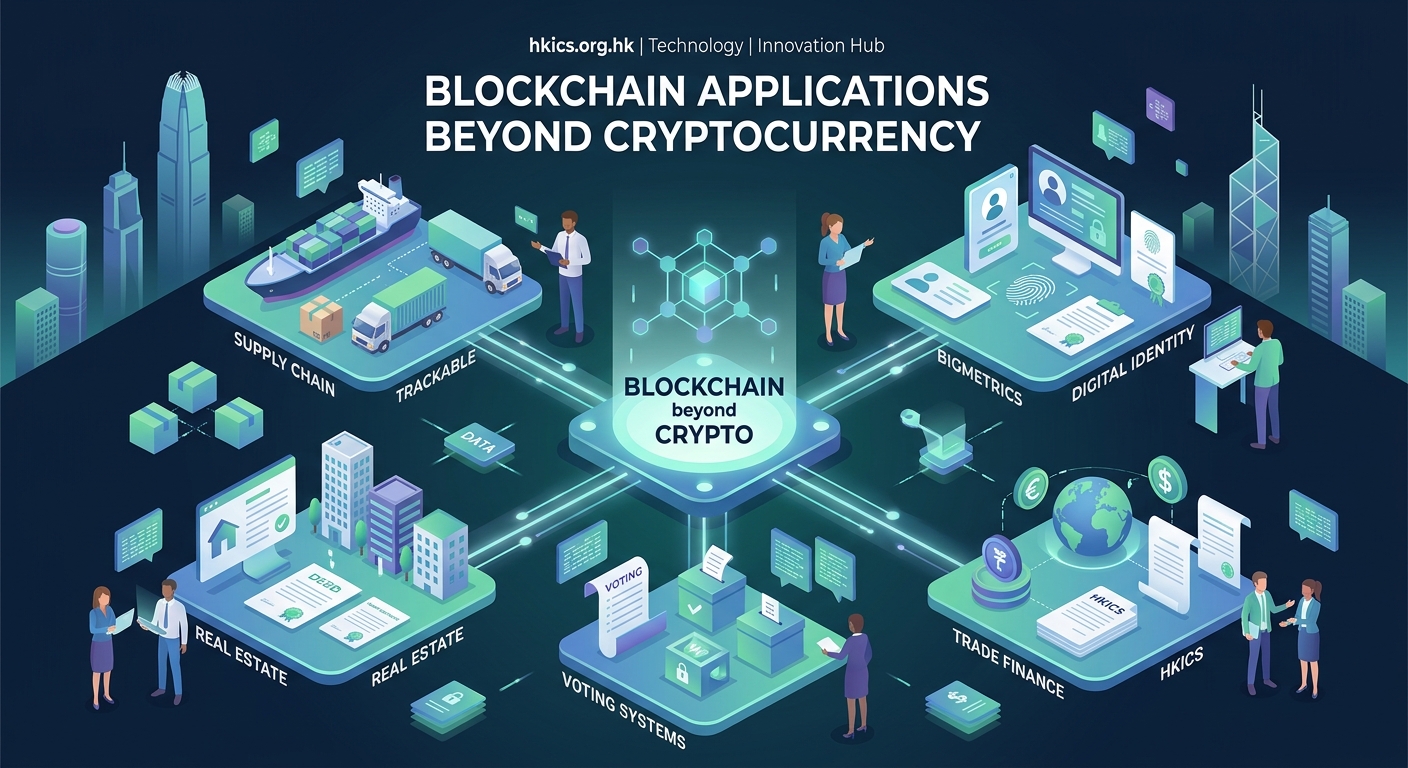
Global supply chains involve dozens of companies, each handling products at different stages. Traditional tracking systems rely on paper documents or disconnected databases that don’t talk to each other. This fragmentation creates opportunities for fraud, errors, and delays.
Blockchain solves this by creating a single source of truth that all participants can access. When a manufacturer ships a component, they record that transaction on the blockchain. The shipping company adds their handling information. The assembly plant logs when they receive and use that part. Every step creates a permanent, timestamped record.
Walmart uses blockchain to track food products from farm to store shelf. When contamination occurs, they can trace the affected items back to their source in seconds instead of days. This speed prevents illness and reduces waste. The system works because every participant in the supply chain adds their data to the same ledger.
Diamond companies use similar systems to verify that stones come from ethical sources rather than conflict zones. Luxury brands combat counterfeiting by giving each product a unique blockchain identity that customers can verify. The technology doesn’t just track physical location; it proves authenticity and origin.
Healthcare records that follow patients
Medical records present a unique challenge. Patients visit multiple doctors, specialists, and hospitals throughout their lives. Each provider maintains separate systems that rarely communicate effectively. Patients struggle to access their own complete medical history, and doctors make decisions without full information.
Blockchain creates a unified medical record that patients control. When a doctor orders a test, the results get added to the patient’s blockchain record. The patient grants permission for other healthcare providers to access specific information. Emergency responders can view critical data like allergies and current medications, even if the patient is unconscious.
Estonia has implemented a nationwide blockchain system for health records. Citizens can see exactly who accessed their medical data and when. This transparency builds trust while maintaining privacy. The system also prevents unauthorized changes to medical histories, protecting both patients and providers from fraud.
Research institutions benefit too. They can access anonymized patient data for studies without compromising individual privacy. The blockchain structure ensures that data remains accurate and that researchers can verify its source.
Digital identity and credential verification
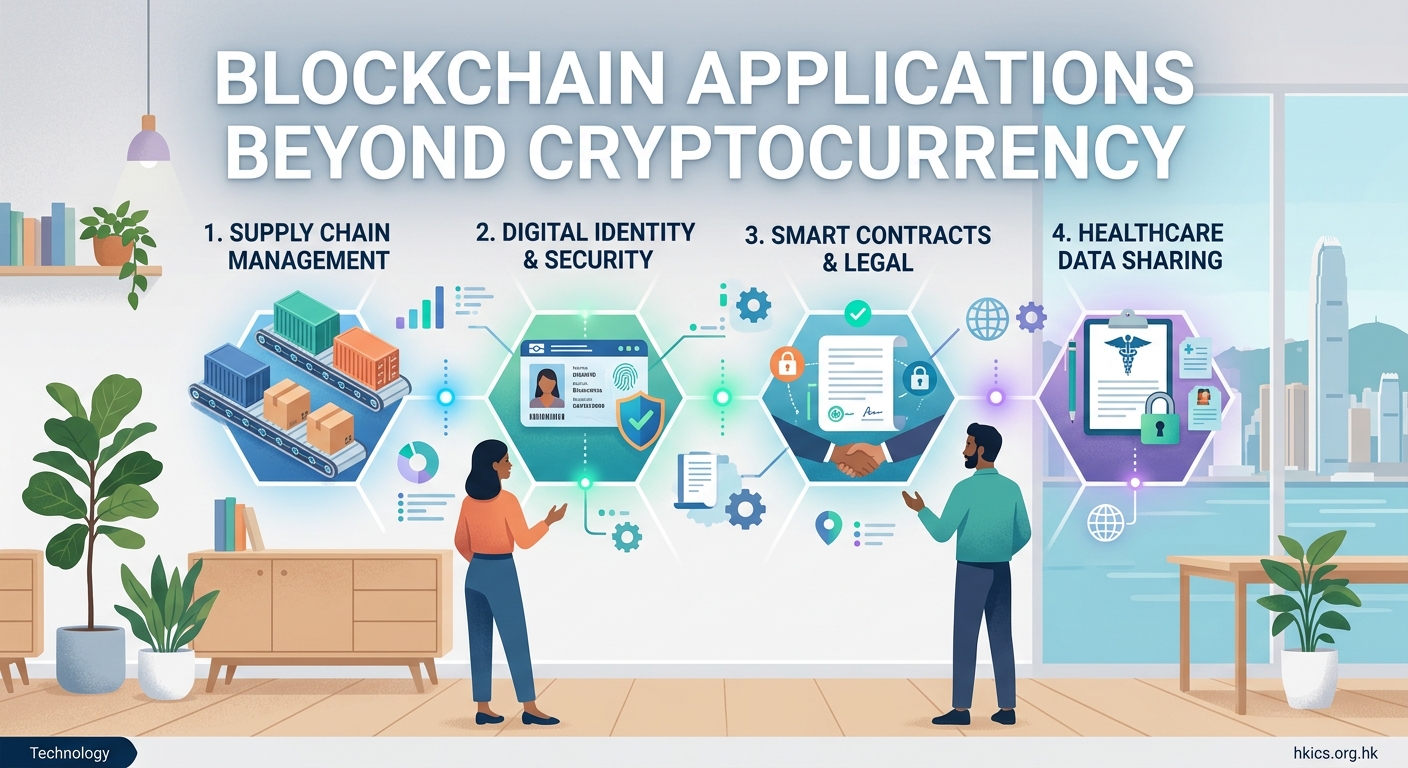
Fake degrees, forged certificates, and identity theft cost organizations billions annually. Traditional verification methods involve calling schools, checking paper documents, and trusting that stamps and signatures are genuine. These processes are slow, expensive, and still vulnerable to sophisticated fraud.
Universities now issue diplomas as blockchain records. Graduates receive a digital certificate that employers can verify instantly. The school’s blockchain entry proves the degree is authentic. No one can alter the record or claim credentials they didn’t earn.
Professional licensing boards use similar systems. A nurse licensed in one state can prove their credentials to employers in another state without waiting for paperwork to transfer. The blockchain record shows their education, certifications, and any disciplinary actions. This transparency protects public safety while making it easier for qualified professionals to work where they’re needed.
Governments are testing blockchain for national identity systems. Citizens could prove their identity for banking, voting, or government services without carrying physical documents. The system would be more secure than current methods and give individuals more control over their personal information.
Smart contracts automating agreements
A smart contract is code that executes automatically when specific conditions are met. Unlike traditional contracts that require lawyers and courts to enforce, smart contracts run on blockchain networks and execute themselves.
Insurance companies use smart contracts for flight delay coverage. If a flight arrives more than two hours late, the smart contract automatically processes the claim and sends payment to the policyholder. No forms to fill out, no waiting for approval. The contract checks the flight data and executes the payout based on predefined rules.
Real estate transactions benefit from smart contracts that hold funds in escrow and transfer property titles automatically when all conditions are satisfied. Both parties can trust the process because the blockchain executes the agreement exactly as written. This reduces the need for intermediaries and speeds up transactions that traditionally take weeks.
Freelancers and contractors use smart contracts to ensure payment for completed work. The contract holds funds and releases them when the client confirms delivery. This protects both parties and eliminates disputes about payment terms.
Here’s how different industries apply smart contracts:
| Industry | Application | Benefit |
|---|---|---|
| Insurance | Automated claims processing | Faster payouts, reduced fraud |
| Real estate | Property transfers and escrow | Lower costs, faster closing |
| Supply chain | Payment upon delivery confirmation | Improved cash flow, reduced disputes |
| Entertainment | Royalty distribution | Transparent payments, reduced delays |
| Legal services | Automated compliance checking | Lower costs, better accuracy |
Intellectual property and digital rights management
Artists, musicians, and content creators struggle to protect their work and receive fair compensation. Digital files are easy to copy and distribute without permission. Traditional copyright systems are slow and expensive to enforce.
Blockchain provides a permanent record of who created what and when. An artist can register their work on a blockchain, creating a timestamped proof of ownership. If someone uses that work without permission, the blockchain record serves as evidence.
Musicians use blockchain platforms to distribute their work directly to fans. Smart contracts automatically split royalties among songwriters, performers, and producers based on agreed percentages. Every time someone streams a song, the payment gets distributed instantly according to the blockchain record. No waiting months for royalty statements or wondering if the accounting is accurate.
Photographers can license their images through blockchain systems that track usage and ensure they get paid. The technology doesn’t prevent unauthorized use, but it makes it much easier to prove ownership and enforce rights.
Voting systems that people can trust
Election security has become a critical concern. Paper ballots can be lost or tampered with. Electronic voting machines raise questions about hacking and manipulation. Voters want to know their ballots were counted correctly, but current systems don’t provide that transparency.
Blockchain offers a solution. Each vote becomes a transaction recorded on a distributed ledger. Voters can verify that their vote was recorded as they intended. Election officials can count votes with complete transparency. The blockchain structure makes it nearly impossible to change votes after they’re cast.
Several countries have tested blockchain voting for local elections. Estonia allows citizens to vote online using blockchain verification. The system has worked reliably for years, increasing participation while maintaining security.
Corporate governance benefits from similar systems. Shareholders can vote on company decisions remotely, with blockchain ensuring that each share gets exactly one vote and that results are accurately tallied. This transparency builds trust and makes it easier for shareholders to participate in governance.
Implementing blockchain in your organization
Moving from theory to practice requires careful planning. Here’s a practical approach:
-
Identify a specific problem that blockchain’s features can solve better than existing solutions. Don’t use blockchain just because it’s trendy. Focus on situations where you need transparency, immutability, or decentralization.
-
Start with a pilot project involving a limited number of participants. Test the technology on a small scale before committing to a full implementation. This lets you identify technical challenges and adjust your approach.
-
Choose the right blockchain platform for your needs. Public blockchains like Ethereum offer maximum transparency but may be slower and more expensive. Private blockchains give you more control but sacrifice some decentralization benefits. Consortium blockchains split the difference, allowing a group of organizations to share a blockchain while keeping it private from outsiders.
-
Address legal and regulatory requirements early. Blockchain implementations often involve multiple jurisdictions and complex data privacy laws. Work with legal experts who understand both blockchain technology and relevant regulations.
-
Train your team and partners on how the system works. Blockchain requires different thinking than traditional databases. Everyone involved needs to understand their role in maintaining the network and using the system effectively.
Consider these common mistakes that organizations make:
- Using blockchain when a traditional database would work better and cost less
- Failing to get buy-in from all participants who need to use the system
- Underestimating the technical expertise required to maintain a blockchain network
- Ignoring data privacy regulations like GDPR that affect how you can store information
- Focusing too much on the technology and not enough on solving the actual business problem
The most successful blockchain implementations start with a clear business case and work backward to the technology. If you can’t explain why blockchain is better than alternatives in simple terms, you probably don’t need it yet.
Challenges and limitations to consider
Blockchain isn’t a magic solution for every problem. The technology has real limitations that you need to understand before committing resources.
Scalability remains a significant challenge. Public blockchains can process far fewer transactions per second than traditional databases. This makes them unsuitable for applications that require high transaction volumes. Solutions are emerging, but they often involve tradeoffs between speed, security, and decentralization.
Energy consumption is another concern, particularly for blockchains that use proof-of-work consensus mechanisms. Mining Bitcoin consumes enormous amounts of electricity. Alternative consensus methods like proof-of-stake are more efficient, but they introduce different security considerations.
Regulatory uncertainty creates risk. Laws governing blockchain applications are still evolving. What’s legal today might not be tomorrow, and requirements vary dramatically between jurisdictions. Organizations implementing blockchain solutions need to stay current with regulatory developments and build flexibility into their systems.
Interoperability between different blockchain platforms remains limited. If your supply chain partners use one blockchain and your financial systems use another, connecting them requires additional development work. Standards are emerging, but the ecosystem is still fragmented.
Practical applications you can start today
You don’t need to build a blockchain from scratch to benefit from the technology. Several platforms offer ready-made solutions for common use cases.
Document verification services let you create tamper-proof records of contracts, certificates, or other important files. You upload the document, and the service creates a blockchain record proving that file existed at a specific time. This is useful for intellectual property protection, contract disputes, or regulatory compliance.
Supply chain platforms like VeChain and IBM Food Trust provide turnkey solutions for tracking products. You integrate their system with your existing processes and start recording transactions on their blockchain. These services handle the technical complexity while you focus on your business.
Credential verification platforms help educational institutions and employers verify qualifications. Schools can issue blockchain-based diplomas and certificates. Employers can verify credentials instantly without contacting each institution individually.
Professional associations use blockchain to maintain membership records and track continuing education credits. Members can prove their credentials to clients or employers without exposing unnecessary personal information.
Building trust through transparency
The real power of blockchain applications beyond cryptocurrency lies in their ability to create trust without requiring a central authority. When multiple organizations need to share information and verify transactions, blockchain provides a neutral platform that no single party controls.
This matters in an increasingly connected world where supply chains span continents, medical care involves multiple providers, and credentials need to work across borders. Traditional systems built around centralized databases and paper documents can’t keep up with these demands.
Blockchain won’t replace every database or eliminate all intermediaries. But it offers a powerful tool for situations where transparency, immutability, and decentralization create value. As the technology matures and more organizations gain experience implementing it, we’ll see blockchain applications expand into new areas we haven’t imagined yet.
The organizations succeeding with blockchain today share a common approach. They start with a real problem, choose the right technology to solve it, and focus on creating value for all participants in the network. They don’t chase trends or implement blockchain for its own sake. They use it as a tool to build systems that work better than what came before.
Understanding these applications gives you a foundation for evaluating whether blockchain makes sense for your situation. The technology is still evolving, but the core principles remain constant. When you need multiple parties to trust the same information without relying on a central authority, blockchain deserves serious consideration.